Seal HVAC Gaps to Help Keep Winter Mice Out of Your Home
Mice can slip through small gaps around HVAC equipment. Check outdoor line openings, grilles, foundations and indoor vents, then seal suitable entry points.
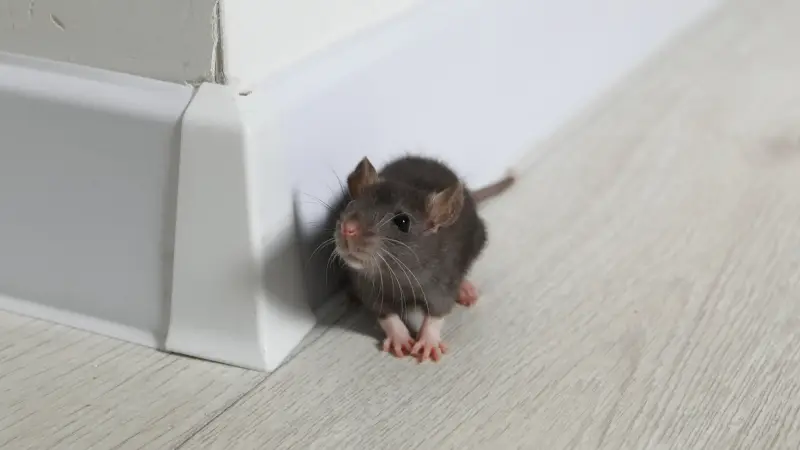
Small openings around heating and cooling equipment can give mice a sheltered route indoors just as colder weather makes warm spaces more attractive. Food crumbs aren't the only draw: gaps near air-conditioning units and heat pumps can lead to dark, protected areas where rodents may find cover. The practical response is to inspect the path from the outdoor equipment to the indoor vents and close openings that could let them through.
Mice can squeeze through surprisingly narrow spaces: the source describes gaps about the width of a pencil and holes around the size of a dime. That makes a quick glance from across the yard an unreliable check. Look closely at the places where pipes and other HVAC lines pass through walls, as well as nearby grilles, foundation cracks and window edges. A small opening may be easy to overlook, but it can still provide access.
Start with the route outside
Inspect the wall around the HVAC line set, where equipment connections pass into the home. A fitted wall seal or cover kit can close gaps around these penetrations. If you already have a kit, check that it still fits snugly and that no openings remain around its edges. Where a kit isn't available, the source suggests using caulk to cover cracks and fissures. Follow the product directions and make sure the chosen material suits the surface and location.
Next, examine the fan grilles on outdoor air-conditioning and heat pump units. Check that the mesh screening fits properly. A screen with openings that are too large may leave mice a way through; one that doesn't fit the grille can leave gaps around its edges. The aim is a secure fit that blocks access while leaving the equipment's intended airflow path unobstructed. If you're unsure whether a screen or cover is suitable for your particular unit, ask an HVAC professional before changing it.
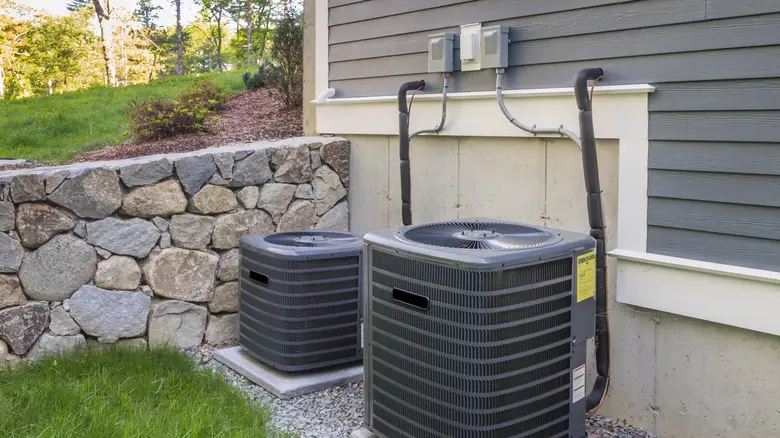
While you're checking the equipment, look for cracks around the nearby foundation and windows. These may offer routes into the home even when the HVAC penetration itself is well sealed. The same inspection can help you spot openings that need attention elsewhere along the exterior. For more on closing up common entry gaps, see this guide to sealing cracks to help keep mice out.
Check the indoor side too
Sealing outdoors is only part of the job. Look at wall vents and other indoor openings connected with the HVAC route, especially if you have found a gap outside. The source recommends using steel wool and caulk to cover affected areas. Check that any material you add is appropriate for the opening and won't interfere with ventilation or equipment operation. If the opening is part of a working vent or you're uncertain how to seal it safely, have an HVAC professional assess it.
Work methodically: note each opening you find, inspect both sides of the wall where possible, and check the seal after applying it. Pay particular attention to joints and edges, since a cover can appear to close an opening while leaving a narrow gap around its perimeter. After the initial inspection, make another pass as the weather turns colder and whenever you notice a damaged or loose cover.
Use scent as a supporting measure
Peppermint, cinnamon and eucalyptus are suggested as natural scent-based deterrents. A few drops of an oil can be placed on cotton balls near potential entry points. Treat this as an extra measure alongside physical repairs: it won't close a crack or replace a well-fitted screen. Keep the cotton balls where they won't obstruct vents or equipment, and follow the directions on any product you use.
A careful check of the HVAC route can help prevent mice from reaching sheltered spaces inside walls or ducts, where they may damage internal materials or reproduce. For more on that specific concern, see this guide to mice in heating ducts. If you find evidence that rodents are already inside the system, contact a qualified pest or HVAC professional to determine the next steps.
Focus first on the physical openings: the line-set penetration, outdoor grilles, nearby foundation and window cracks, and indoor vents. Close suitable gaps with appropriate materials, keep screens fitted, and revisit the spots you repaired. That inspection-and-maintenance routine is a practical way to reduce the easy routes mice can use when temperatures drop.