Plywood Can Shield an Outdoor AC Unit From Snow and Falling Debris
A loose sheet of plywood can keep snow and falling debris off an outdoor AC unit while leaving its sides open for airflow.
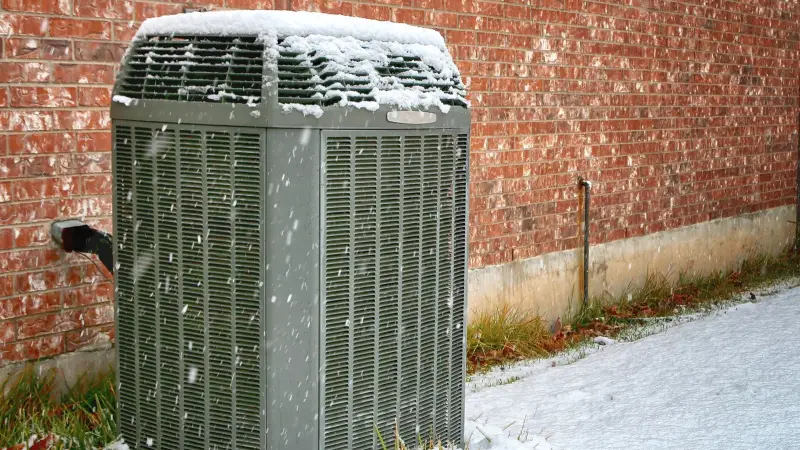
A sheet of plywood over an outdoor air conditioner can help shield it from snow, icicles, and falling branches without enclosing the equipment. That open-sided approach matters: a tarp or tight cover can trap moisture and provide shelter for animals, while plywood on top leaves the unit’s grilles exposed for air to circulate.
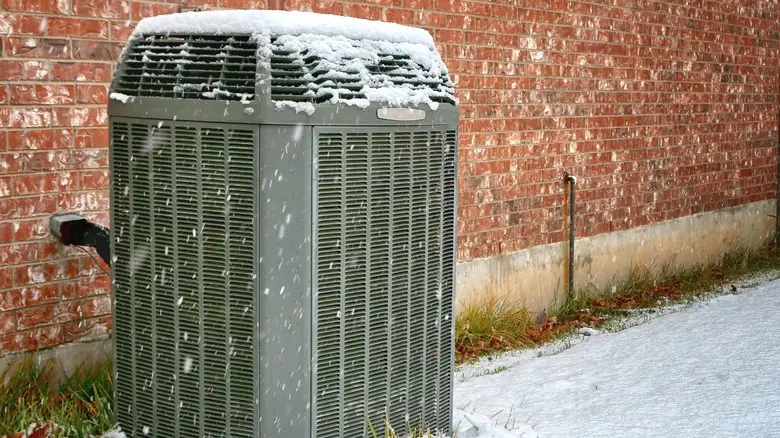
Whether a top shield is useful depends on the unit’s setting and the weather it faces. An air conditioner that sits through snowy winters, beneath a tree, or under an eave may benefit from protection. In a place with little winter snow and no nearby source of falling debris, the extra layer may not be needed. Outdoor units are built to withstand the elements, so consider the exposure around yours before adding anything.
Where a plywood shield helps
Snow that melts on or around a condenser can leave water on its components, which may contribute to rust. A board placed across the top helps keep snow from settling directly on the unit. It can also act as a barrier against branches, icicles, and other objects that might fall from above.
Look at what hangs over the equipment before deciding. A condenser under a roof edge or a tree is more exposed to falling material than one in an open area. Plywood offers a simple way to guard against those overhead hazards while keeping the sides of the unit uncovered.
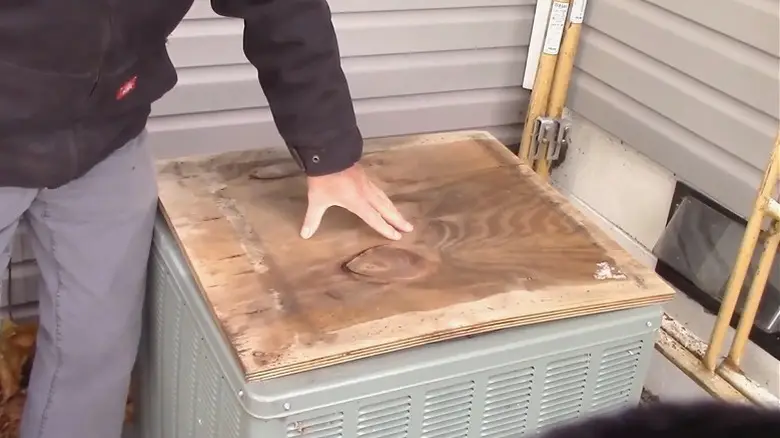
Choose a piece large enough to cover the unit’s top. Set it in place without wrapping the condenser, and weigh it down with a brick or secure it with bungee cords if needed. The board should stay put in the conditions around the unit, while the side grilles remain open.
Why a tarp can cause trouble
A plastic tarp blocks airflow and can hold winter moisture against the equipment. Damp conditions encourage rust and mold, so enclosing the condenser may create a new problem while trying to protect it from snow. A breathable cover made for the unit can allow more air through, but covering still comes with another concern: animals may settle underneath it.
Mice, rats, and squirrels can use a covered unit as shelter and may chew wiring or other components. Raccoons and opossums can also take refuge there. A board over the top provides a barrier from above without forming the enclosed space that makes a covered condenser appealing to animals.
The distinction is practical: protect the top from falling material, but leave the sides open. Plywood won’t keep every snowflake or bit of debris away from the grilles, yet it avoids sealing the unit in a damp enclosure.
Plan for spring cleanup
A top board doesn’t protect the condenser’s sides. Snow and ice can still collect on the grilles, and leaves, pine needles, or road salt may blow through them. Before using the system again, clean the outdoor unit so debris doesn’t remain around the equipment when it starts up.
Remove the plywood as part of the seasonal maintenance routine before switching the system on. The condenser needs open airflow during operation, so check that the top and sides are clear. If the unit is a heat pump that runs during winter, follow the equipment’s operating and care instructions rather than assuming it can be treated like an air conditioner that stays off in cold weather.
For a conventional central air conditioner that isn’t used in winter, the plywood shield is a modest, conditional measure: it can help where snow or overhead debris is a concern, and it takes little effort to remove when warm weather returns. Keep the grilles accessible, inspect for debris in spring, and let the unit’s location guide whether a board is worth using.