4 Things Japanese-Inspired Sofas Do to Make Your Room Look Clean, Pared-Back, and Feel Much Bigger
These designs sit lower, look tighter, and change the feel of a room
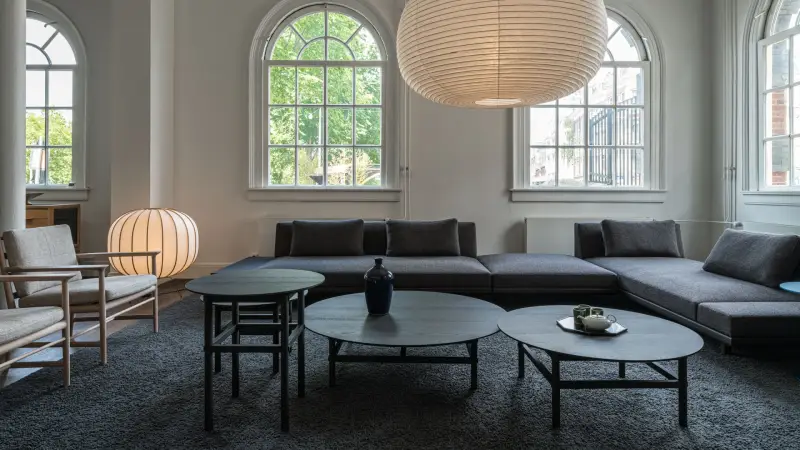
In a recent conversation with interior designer Yoko Kloeden, she mentioned the noticeable difference Japanese sofas can make to a small living room. "They sit lower than Western ones at around 38 cm (15 in) from floor to seat, and those few centimetres change the room," she says.
"Sitting lower on Japanese sofas leaves more wall above your head, so the ceiling looks higher and the space feels more open. It is a more relaxed way to sit, as well. The habit comes from a culture that has always lived close to the floor, on tatami."
So, if you're shopping for a new sofa and you want to try something a little different (and a lot more grounding), these are the traits to look for.
1. Leave a Gap Underneath
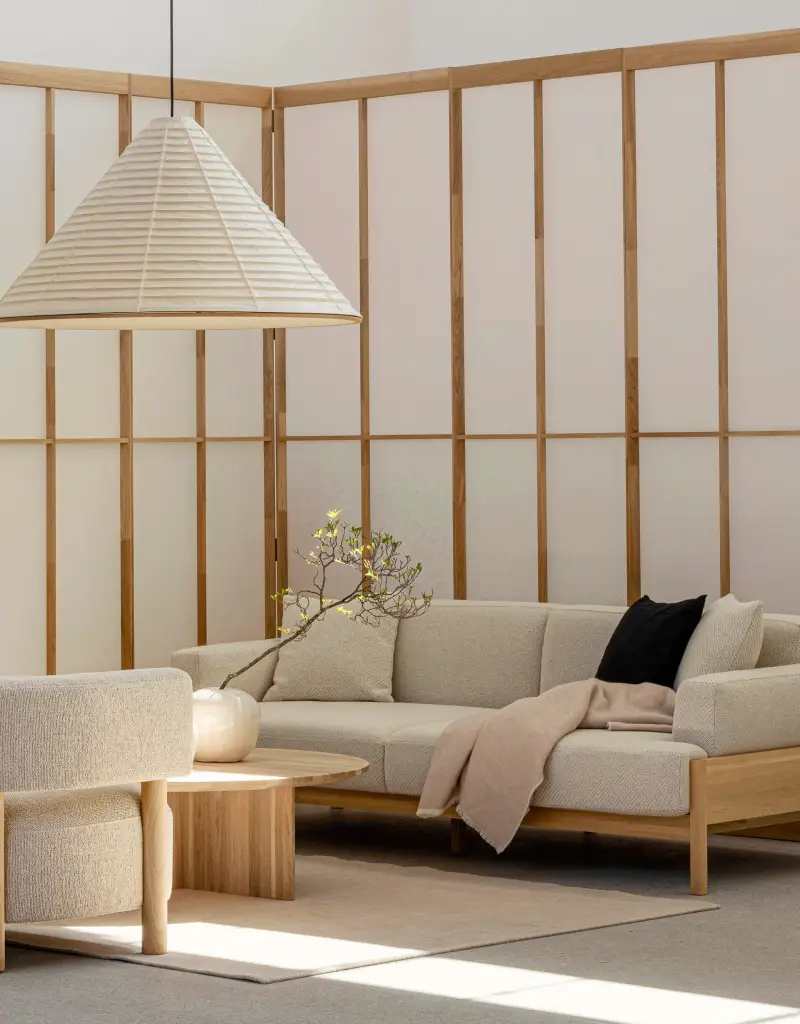
Aside from the compact frame, interior designer Yoko Kloeden points out that what's missing is what makes these types of sofas look light. "On an open-base sofa — one standing on legs, rather than meeting the floor all the way round — Time & Style leave 14 to 15 cm, about 6 in, between the underside and the floor," she says.
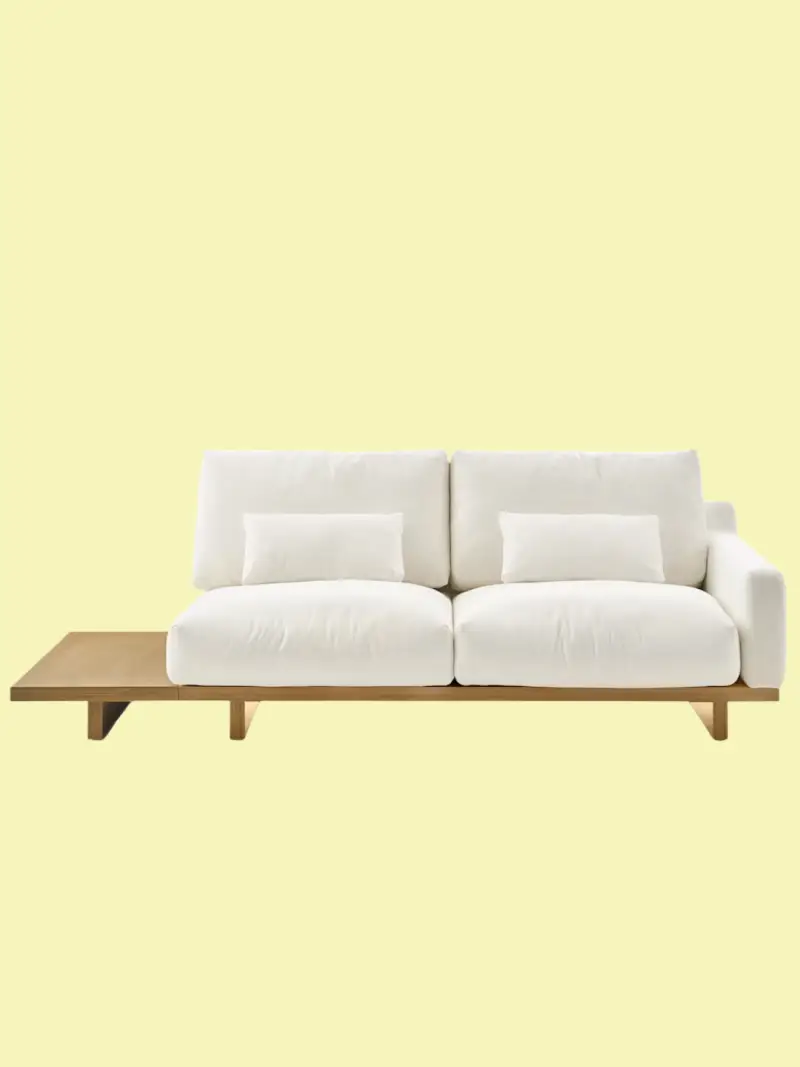
"You can see the floor carry on beneath it, and daylight gets under it, so the sofa stops looking like a solid block. In a small room, that strip of visible floor is worth as much as a few centimeters off the width. The Horizon of the Floating Layer sits on this kind of base."
2. Look for Thinner Cushions
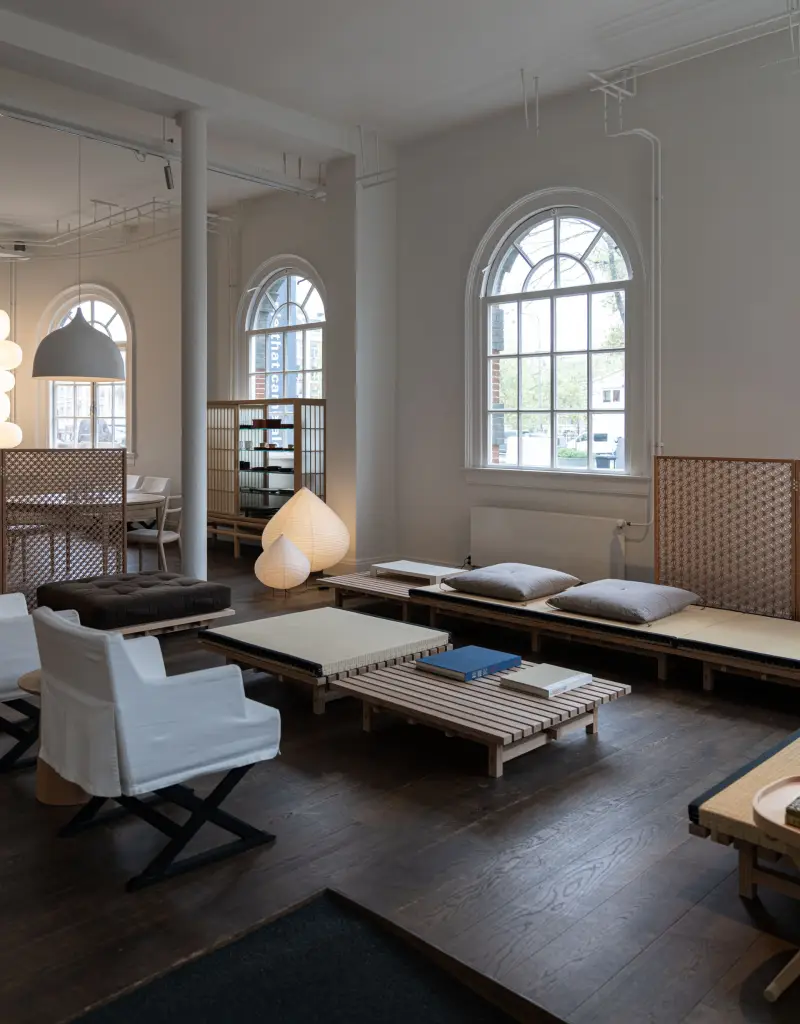
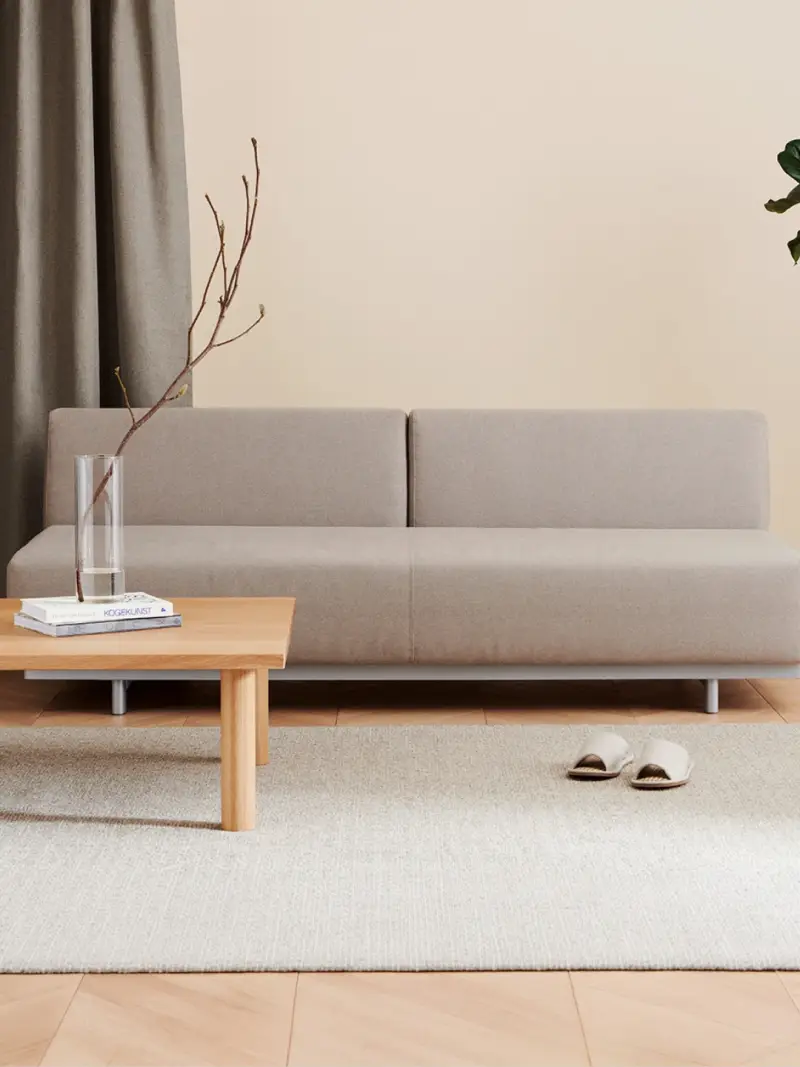
Yoko finds that the weight you see in a sofa is usually in the upholstery, not the frame. However, where Japanese design is concerned, you'll notice thinner cushions for a more supportive finish.
"The seat cushion on these is around 11 cm deep, and the back cushion is around 16 cm, shallower than most, and the arms and back are shaped rather than padded," she explains. "The comfort is the same. What goes is the bulk."
3. Settle the Height First
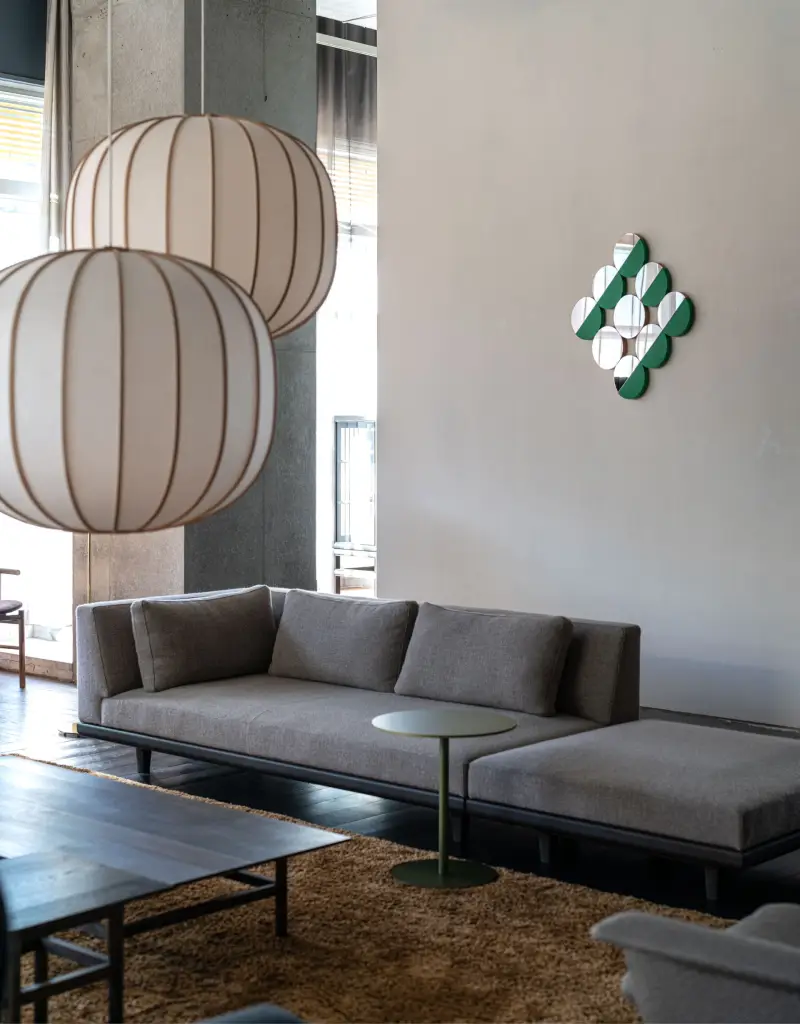
Lian Kittler, deputy manager and head of brand and B2B at Time & Style Amsterdam, explains that settling the height of your sofa's back is of utmost importance. "A low back keeps the sightline across the room open and lets the space breathe," Yoko notes.
"On the other hand, a high back can be right too. Where there is no wall to set the sofa against, a tall back will divide the room the way a wall would, useful in an open-plan space with nothing to anchor it. Decide which of the two you need before you look at width or depth."
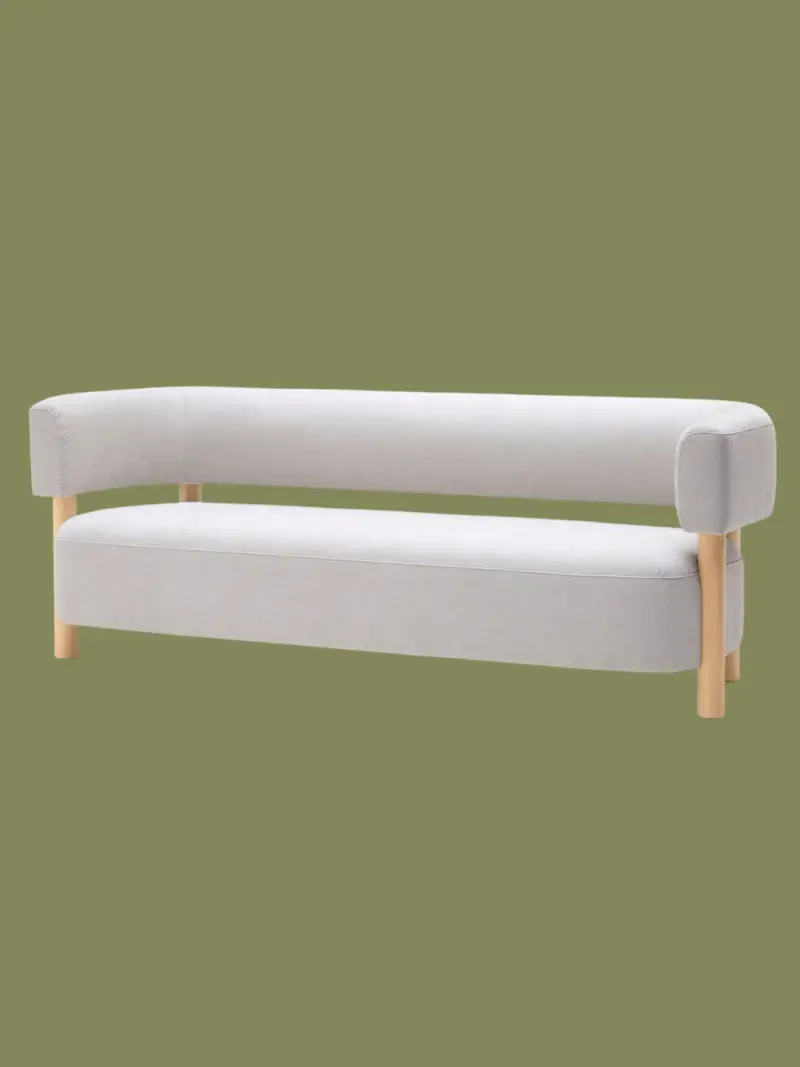
4. One Sofa Beats Three Pieces
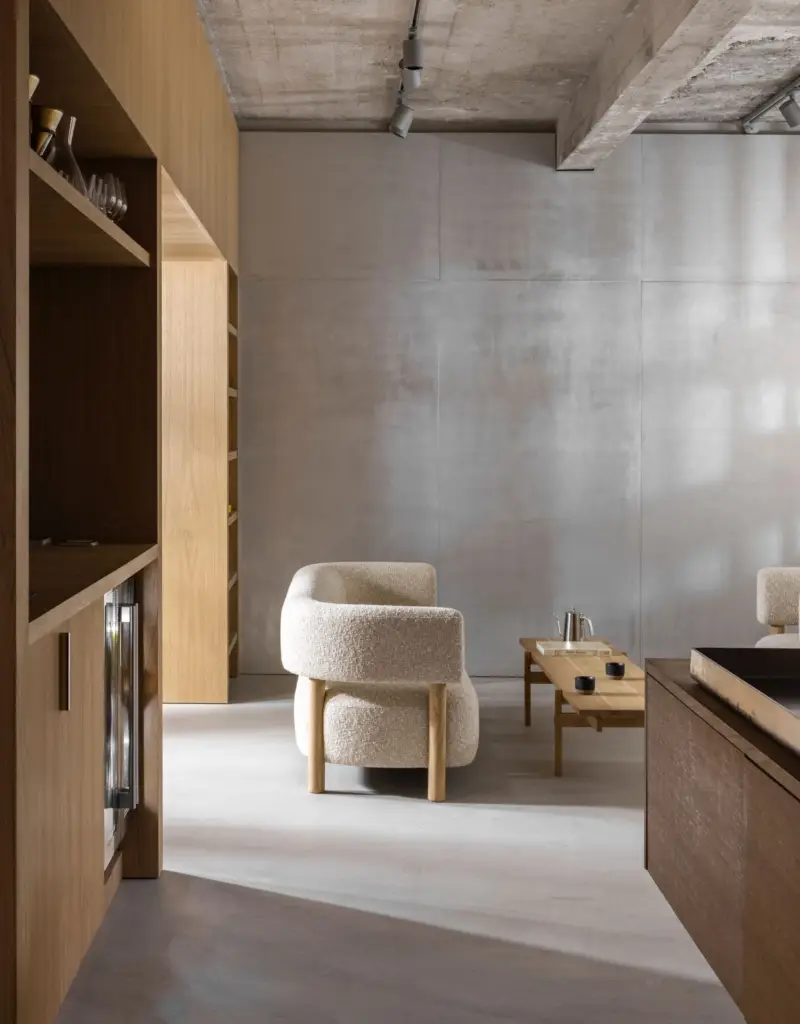
Last but not least, Yoko tells me that what counts is the sofa’s volume against the size of the room. "A single sofa often sits better than a sectional or two smaller pieces, because the aim is a composition that feels balanced rather than a room with everything fitted into it," she advises.
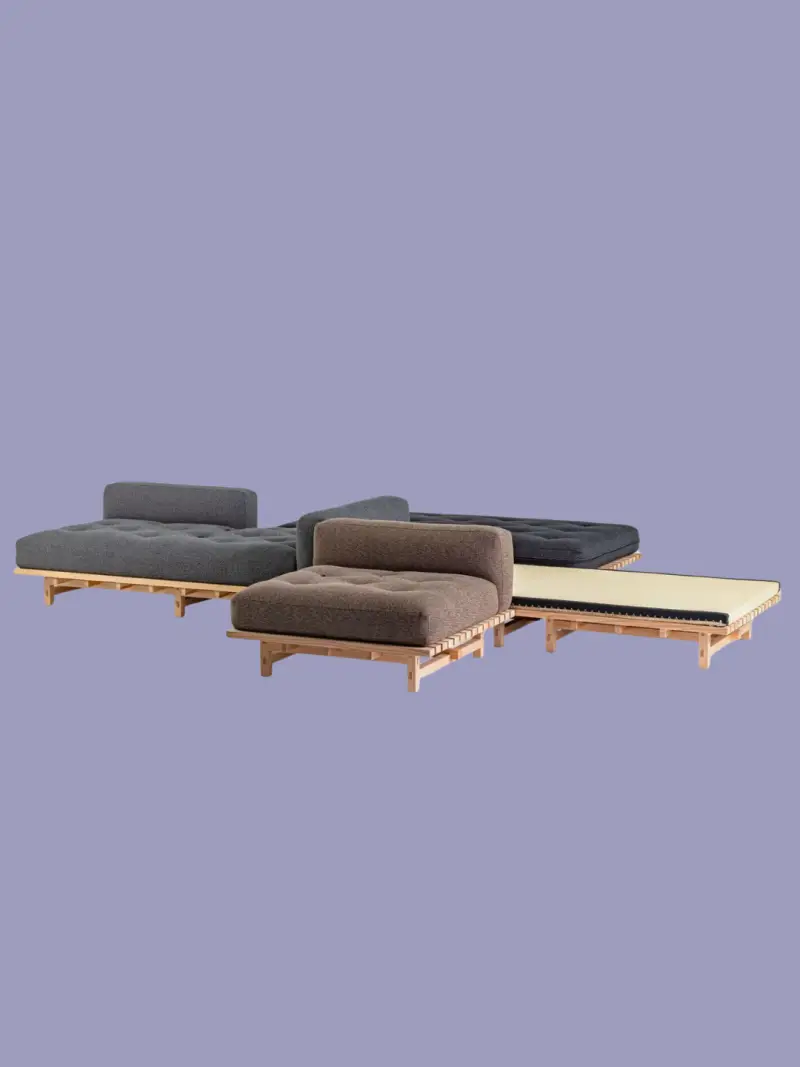
"Where you do need to build a shape, the Horizon of the Floating Layer from Time & Style comes as compact modules — one arm, two or none, with a back or without, with or without an extended side table — so you can make the shape the room needs instead of working from fixed sizes."
Aside from these low and long silhouettes, we have also been admiring Japanese wall colors for their grounding qualities. And if you want to learn more about global design, subscribe to our newsletter.