Six Plants Behind Modern Medicines, From Aspirin to Cancer Treatments
Yew, willow, poppy and other plants have supplied compounds used in modern medicine, linking long traditions of herbal use with drug research.
Some familiar garden plants have left a mark far beyond the garden. Compounds from yew, willow, poppy and spring bulbs have helped shape medicines used for pain, cancer and other diseases. Their histories show how traditional plant knowledge and scientific research can intersect, while also making clear that a medicinal plant and a safe home remedy aren’t the same thing.
From traditional use to tested compounds
Plants were among humanity’s earliest sources of treatment, and plant-derived substances remain part of modern medicine. Researchers can isolate active compounds, study how they affect the body and develop medicines from them. That process can confirm a useful effect, but it doesn’t validate every historical claim made about a plant.
The plants below illustrate different paths from traditional use to modern treatment: some supplied compounds that became established medicines, while others remain areas of ongoing research.
Yew and rosy periwinkle: compounds used in cancer care
Pacific yew (Taxus brevifolia) was used by North American First Nations peoples as a folk remedy, including in teas believed to treat cancer. Modern medicine later identified paclitaxel in yew. Sold as Taxol, the compound interferes with the division of certain cancer cells and is used to treat ovarian and breast cancers.
Paclitaxel’s discovery in the 1970s remains significant, and the source notes that patients don’t build up resistance to it in the way they can to many cancer drugs. Research has examined its potential use against other cancers, but obtaining the compound presents a challenge: yew trees grow slowly, and production requires substantial bark.

Rosy periwinkle (Catharanthus roseus) has a different history. People once chewed its leaves in the belief that they could cure dysentery, a claim without scientific proof. Traditional uses also included toothache and other ailments. Today, compounds from periwinkle are used in treatments for several diseases, including leukemia and Hodgkin’s lymphoma, as well as diabetes and malaria.
Poppy and willow: familiar sources of pain relief
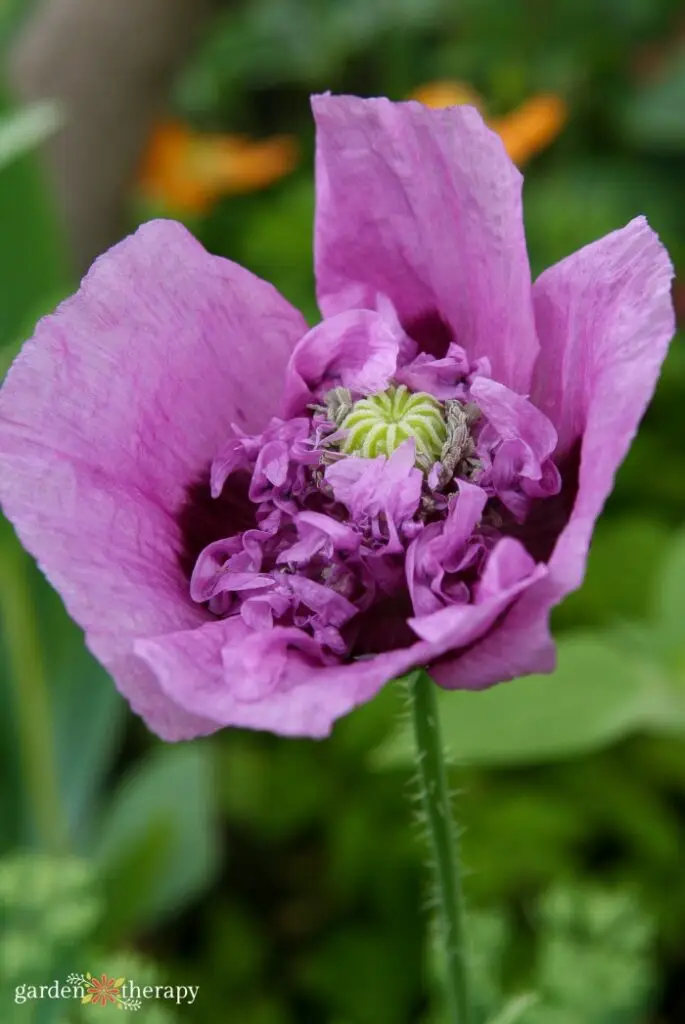
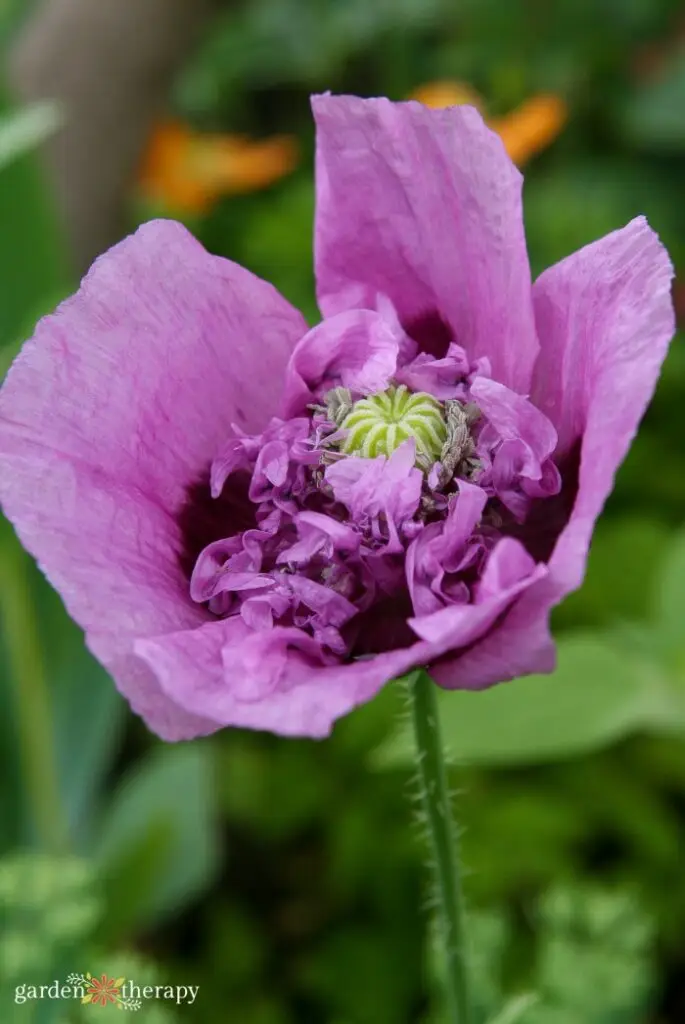
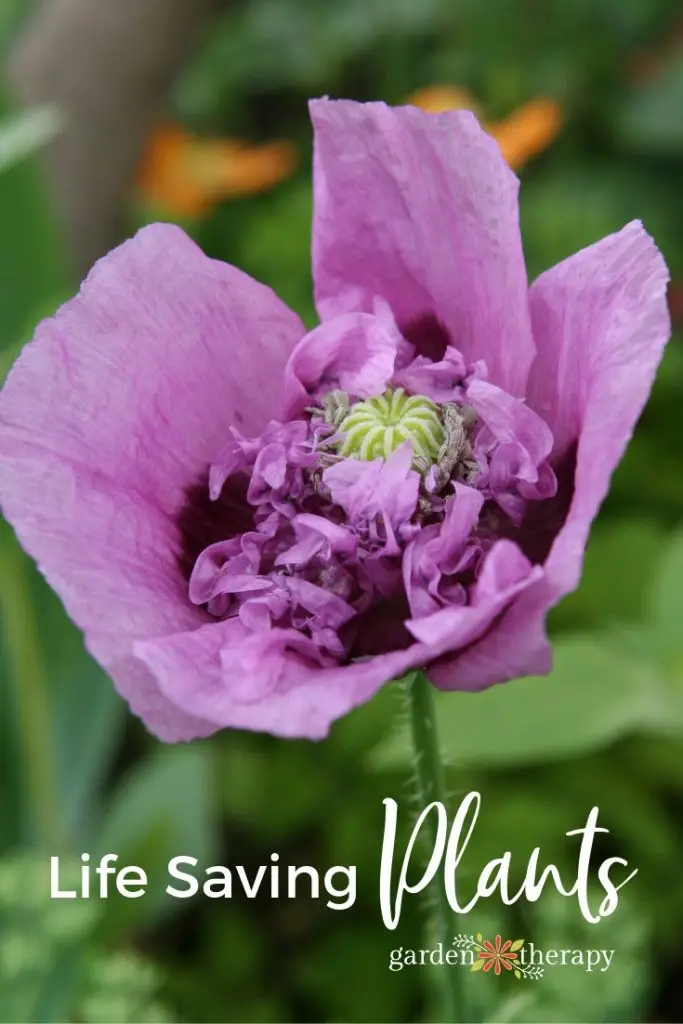
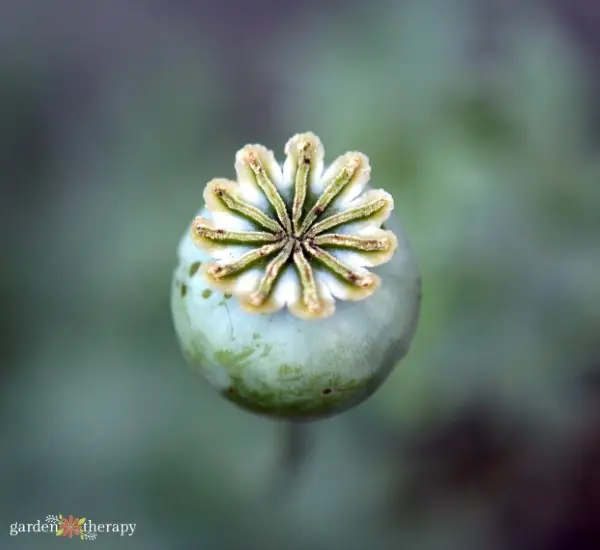
The opium poppy (Papaver somniferum) produces morphine, a powerful pain reliever and sedative. Morphine was first isolated in 1803 and is still used in hospitals around the world. Its long medical history reflects the strength of the compound—and why medicines made from it belong in clinical care, not casual home experimentation.
White willow (Salix alba) is linked to another widely known medicine. Its bark contains salicin, the compound that was first used in making aspirin. Salicin can now be produced artificially, but willow was the original source. Willow bark was also used historically to address fever and flu symptoms.
Sweet wormwood and the limits of early evidence
Sweet wormwood (Artemisia annua) has a documented medicinal history in China stretching back more than 2,000 years. Traditional Chinese medicine used it for fever, headaches and inflammation. More recently, researchers have examined its potential role in treating malaria.
One reported case involved 18 people with drug-resistant malaria who hadn’t improved with standard treatment. They received an experimental medicine made from dried, powdered sweet wormwood leaves, and all recovered. That result is encouraging, but a group of 18 is too small to establish the treatment’s effectiveness on its own. Research on sweet wormwood and malaria continues.
Snowdrops and daffodils: an alkaloid with a medical role
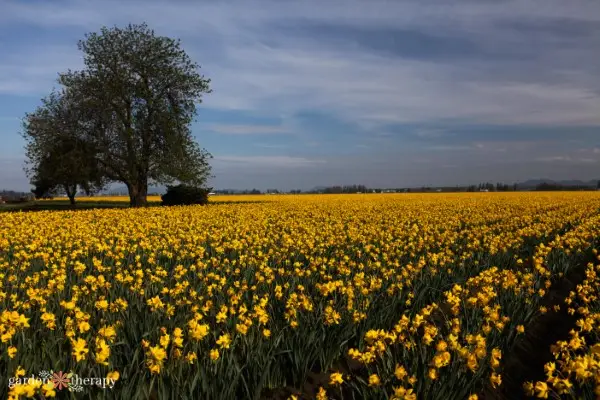
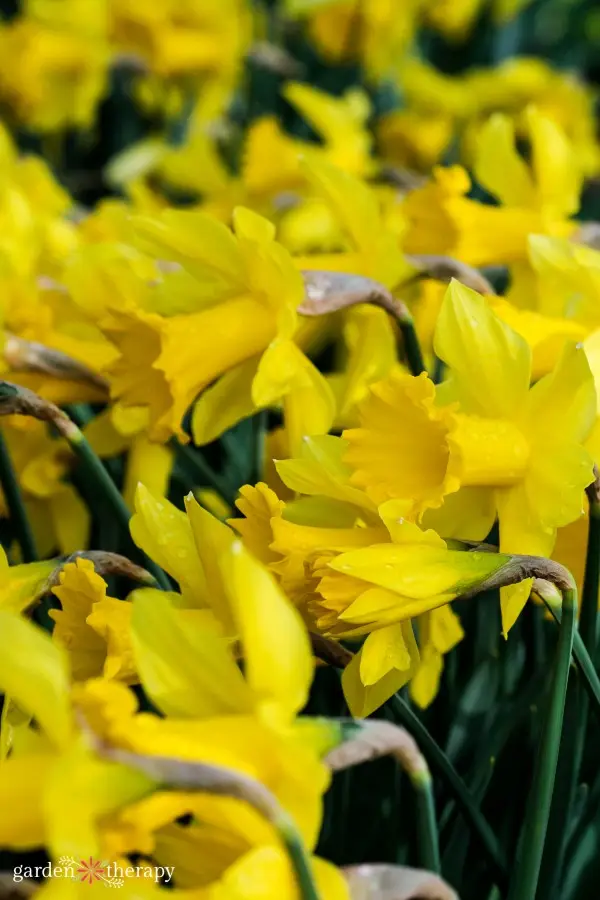
Snowdrops (Galanthus) and daffodils (Narcissus) have appeared in folk medicine since ancient times. The source describes references to snowdrop bulbs as an antidote in Homer’s Odyssey and to daffodils as a remedy in the Bible. Historical mentions show that people used these flowers medicinally; they don’t, by themselves, establish that the remedies worked.
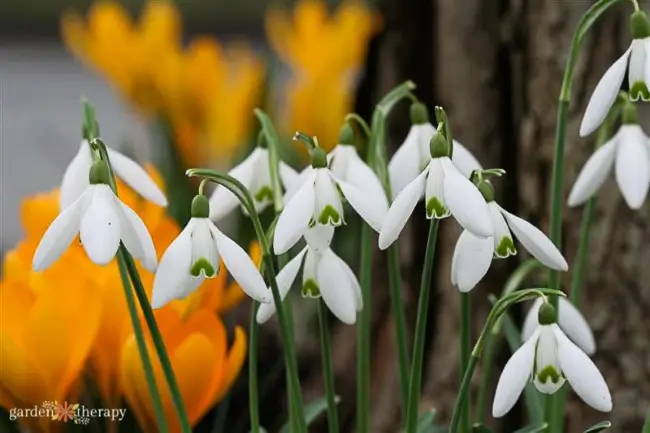
Both plants contain galantamine, an alkaloid used in treating Alzheimer’s disease. It can help slow the disease’s progression. Galantamine was first extracted experimentally from snowdrop bulbs in the early 1950s. The connection also explains why the daffodil became associated with Alzheimer’s awareness.
Garden plants and medicine have different uses
These examples share a common thread: a plant’s traditional use can prompt scientific investigation, and an isolated compound may then become part of a modern treatment. The evidence and medical uses vary from one plant to another, and a plant’s presence in a garden doesn’t make it suitable to ingest or use as medicine. For gardeners, the lasting lesson is that familiar plants can hold a much larger story—one that continues as research tests what their compounds can do.