DIY PVC Heat Pump Snow Guard: Materials, Cost and Airflow Considerations
A lightweight PVC frame can shield a vertical-discharge heat pump from snow and ice. Review its dimensions, material costs and airflow before building.
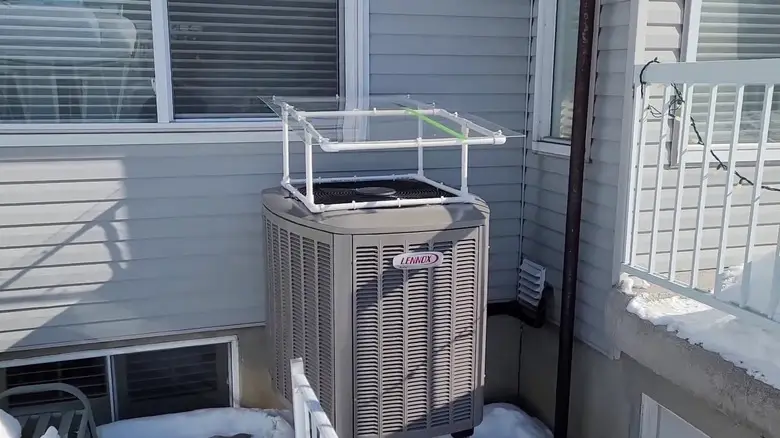
A PVC frame with a sloped roof can keep snow and ice from piling directly onto an outdoor heat pump. The design shown by YouTuber SVAquaholic3 is for an older Lennox unit that discharges air upward. It uses common half-inch PVC fittings, cable ties and a roofing panel, and its PVC frame was priced at about $31. The roof panel can cost considerably more, so the final budget depends largely on the material you choose.
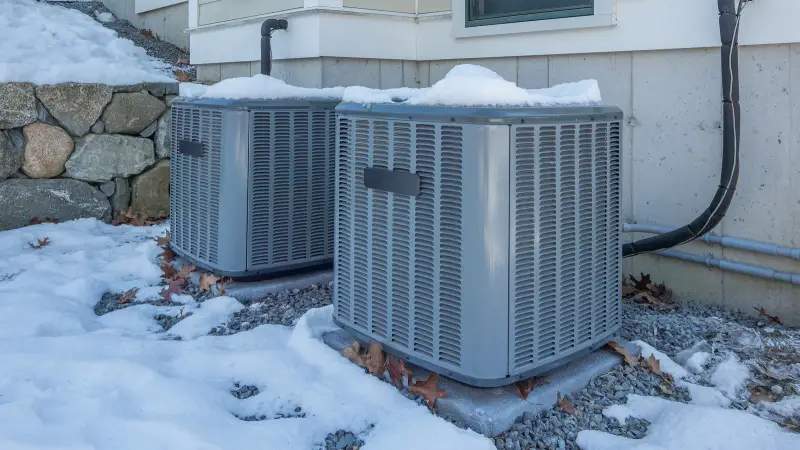
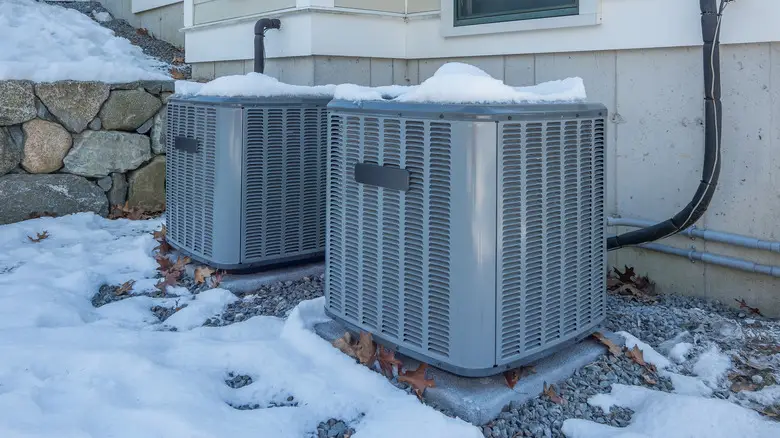
A snow guard may be useful where winter precipitation regularly accumulates around a heat pump. Snow and ice can obstruct the fan or leave moisture collecting around the equipment. But a roof over the unit needs to preserve the airflow its design depends on. Treat this as a project for a compatible vertical-discharge unit, and check the equipment maker’s guidance or ask an HVAC professional before fitting a guard. The example’s dimensions and layout aren’t universal specifications.
What the frame does
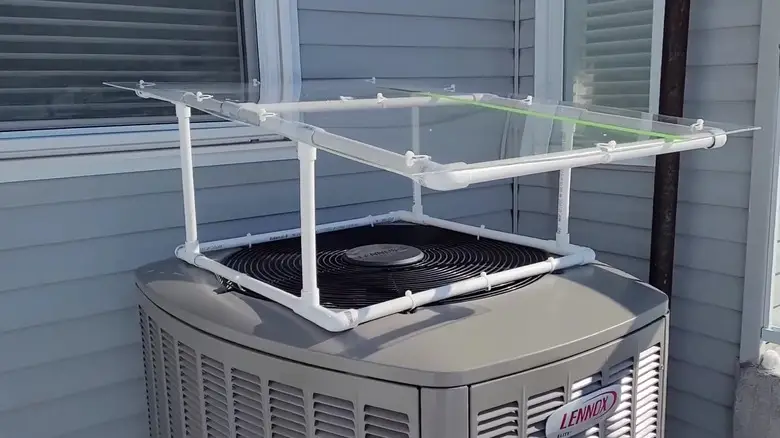
The design forms a small canopy above the heat pump. A square PVC base attaches to the unit’s fan grille with cable ties. Short risers hold up a larger rectangular top frame, which supports a panel that sheds precipitation. The rear risers are taller than the front ones, creating a slope so rain, snow and ice can move off the roof instead of sitting flat above the equipment.
That open frame is central to the idea: it creates a barrier above the unit without enclosing its sides. Still, the clearance above a vertical-discharge fan matters. Some commenters on the video questioned whether the proposed guard leaves enough room for airflow. Commercial guards for vertical-discharge equipment from brands including Lennox, Carrier and Trane are described as sitting about 18 to 20 inches above the unit. That comparison is a prompt to check the requirements for your own model, not proof that the DIY frame provides adequate clearance.
Horizontal-discharge heat pumps have different airflow needs, so this top-cover design shouldn’t be assumed to suit them. If you can’t confirm the appropriate clearance and fit for your equipment, get guidance from an HVAC professional before building or installing a guard.
Materials and layout
The demonstrated frame calls for eight half-inch PVC elbows, 10 half-inch tees, a little more than two 10-foot lengths of half-inch PVC pipe, cable ties and a roofing panel. The base measures 26 inches square. Four elbows form its corners, while tees along the sides accept the risers. The base is cable-tied to the heat pump’s fan grille.
The rear risers are 14 inches tall and the front ones 12 inches tall. Above them, a 26-by-42-inch rectangular frame supports the roof. The upper tees line up over the tees below, and two additional tees hold a PVC cross brace to add strength. The roof in the video is clear acrylic, attached with cable ties and treated with two coats of spray-on automotive wax to help precipitation slide away.
The layout can be adapted with half-inch side-outlet 90-degree fittings at some corners, but the example notes that this option costs more than combining elbows and tees. Keep the pieces aligned as you assemble the frame so the roof has a stable support and the braces meet at the intended points.
Choose a roof panel with cost in mind
In the pricing comparison, the PVC parts for this design came to about $31 at Home Depot. The roof was the larger expense: a thick acrylic panel cut to 26 by 42 inches was estimated at around $87, while clear polycarbonate was more expensive. The comparison put corrugated multiwall polycarbonate at about $65. Lower-cost options included Coroplast or a thin shower-board-like wall covering at about $27, and window screen at around $11.50. A mesh canopy is also used on at least one commercial guard.
Those materials won’t all shed precipitation in the same way. The demonstrated roof is a solid, sloped panel; screen lets air through but won’t provide the same solid surface. Pick a material with the weather protection you need, while keeping the guard’s airflow requirements in mind. Prices are estimates from the comparison and can vary by store and material.
For context, the commercial snow guards surveyed averaged about $375, with prices ranging from $50 to nearly $1,000. The DIY version may cost less, particularly with a lower-priced roof panel, but the materials and fit still need to suit the heat pump.
Account for weight and mounting
The video creator described his guard as weighing less than 1.5 pounds. The article’s estimate for the full assembly was about 4.8 pounds, still lighter than the commercial covers it compared. That difference makes it sensible to weigh the completed build rather than rely on the frame alone when considering an installation.
Weight deserves extra thought if the heat pump is mounted to a vertical wall or foundation. The example attaches the base to the fan grille, but the right attachment point depends on the unit. Don’t assume that another model’s grille can support the same arrangement. Check the manufacturer’s instructions or consult an HVAC professional about a suitable mounting method.
The PVC canopy is a relatively simple way to make a sloped shield for a vertical-discharge heat pump, and choosing an inexpensive roof panel can keep material costs down. Before cutting pipe, confirm that the design fits your unit, leaves adequate space above the fan and can be mounted appropriately. Those checks will determine whether the low-cost frame is a practical winter addition for your setup.