Metal Siding for Shed Walls: A Durable Alternative to Plywood
Steel and aluminum shed walls resist water damage and need less upkeep than plywood. Compare durability, heat, hail, design options and DIY tool needs.
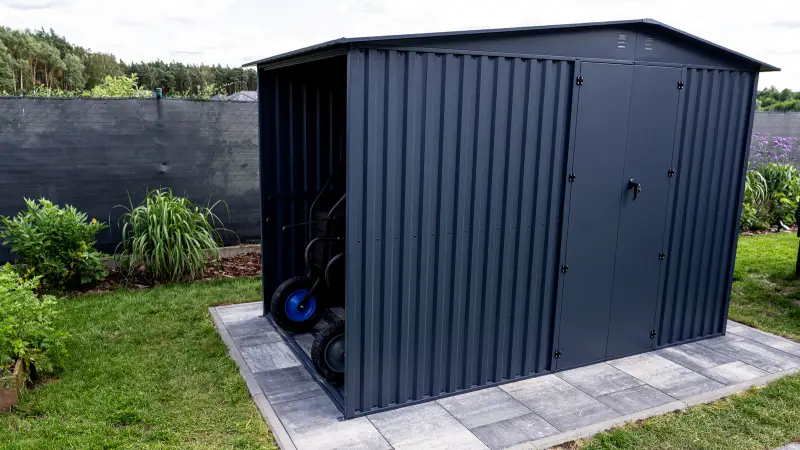
For a shed that has to stand up to years outdoors, steel or aluminum siding can be a practical alternative to plywood. Metal is highly resistant to water damage, lasts longer than exposed wood in many settings and comes in finishes that suit a range of backyard styles. The tradeoff is that a custom build can take more specialized tools and careful handling than a plywood project.
Why metal holds up outdoors
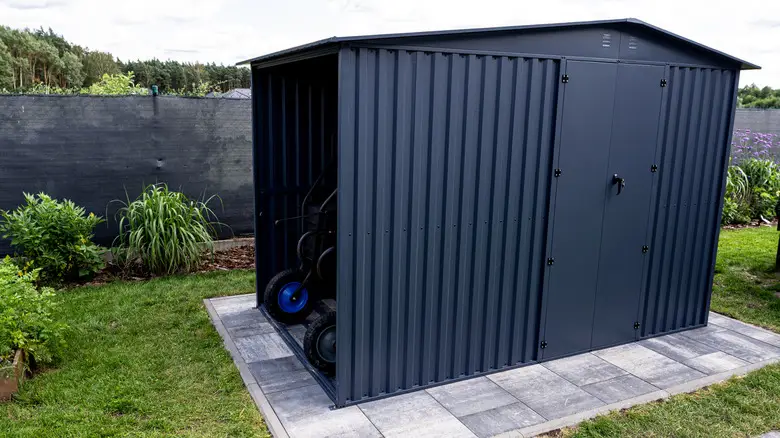
Plywood is a durable building material, but it is made from wood fibers that can absorb moisture. Repeated exposure to rain and damp conditions can eventually wear it down, even when the panels start out in good condition. Metal siding is far less vulnerable to water damage, which makes it a useful choice for shed walls exposed to the elements. Steel and aluminum are both common options; the best fit depends on the shed design and the siding available for the project.
Cost can also make the comparison appealing. Metal siding is described as reasonably priced relative to plywood, while its long service life can mean fewer wall repairs or replacements over time. High-quality metal siding may last 40 to 60 years. That durability, along with fire resistance and recyclability, is part of why it is often chosen for outdoor structures. Many manufacturers use reused material in their siding, and metal itself can be recycled.
Metal walls do have a limitation to account for: they provide no insulation. The siding alone won’t keep a shed warm, and it can absorb heat in sunny conditions. A baked-on finish supplies the color, while a lighter shade reflects more solar energy and can help keep the shed cooler. For a shed used mainly for garden storage, that may be enough. If the space needs a more controlled temperature, the wall material is only one part of the decision.
Choose the siding with hail in mind
Not every metal-sided shed has the same level of protection from impact. Some mass-produced sheds use thin-gauge aluminum or steel panels, which may be damaged by hail. Thicker-gauge siding, particularly steel, is less likely to be dented. Check the panel thickness and construction details before choosing a prefabricated shed or kit, especially if hail is a concern where you live. The available information doesn’t specify a particular gauge, so compare the options offered by the shed maker instead of assuming that all metal walls perform alike.
Metal’s resistance to water doesn’t mean every panel is indestructible. Dents, scratches and damage from impact can still affect how a wall looks and performs. Think about the shed’s location and likely exposure before settling on a panel type. A wall tucked behind a fence may face different conditions from one exposed in an open yard.
Kit or custom build?
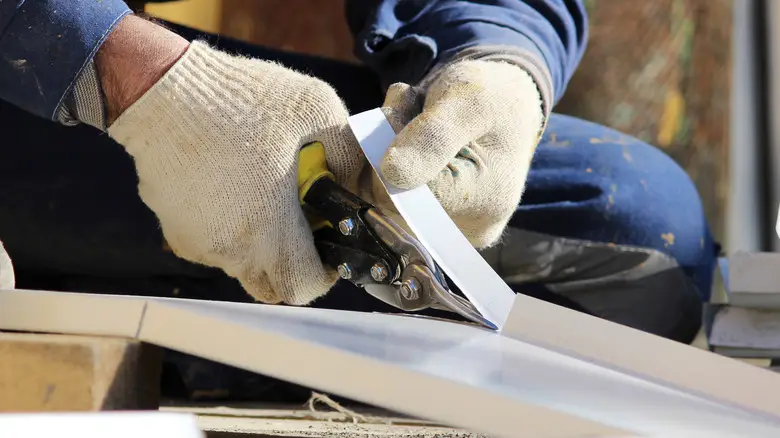
Prebuilt sheds and kits make metal siding easier to work with because the panels are already part of a supplied structure. If you’re building a custom shed, cutting and fitting metal can call for equipment that many homeowners don’t keep on hand. Tools may include aviation snips, heavy-duty tin snips, metal-cutting blades for a circular saw and a handheld jigsaw. The work also calls for personal safety gear suited to handling and cutting metal.
That tool list can make plywood the simpler choice for a first-time DIY shed build. It’s familiar to work with and doesn’t require the same collection of metal-cutting equipment. But that convenience comes with a durability tradeoff: plywood walls are more vulnerable to long-term weather exposure. If you’re set on a custom metal-sided shed, an experienced DIYer may be able to handle the work; otherwise, consider a kit or having a craftsperson build it. For detailed tool and safety guidance, follow the instructions supplied with the materials and equipment.
Keep the design flexible
Metal siding doesn’t have to give a shed an industrial appearance. Some products mimic familiar wood siding styles, and the range of available colors gives you room to coordinate the shed with a house, fence or garden setting. The finish and profile can influence how large the structure feels: a lighter color reflects more sun, while a wood-look surface can help the shed sit comfortably beside timber fencing or other traditional features.
Start by deciding how the shed will be used, how much weather exposure it will get and whether you’re buying a kit or building from scratch. Then weigh panel thickness, color, appearance and the tools required. Metal is a strong choice when low maintenance and long outdoor life matter most; plywood may suit a simpler DIY build. Matching the wall material to the job will help the shed stay useful and look at home in the yard.