Redwood Shed Siding: A Longer Lasting Alternative to T1-11
Redwood costs more than T1-11, but its natural rot resistance, longer service life and range of siding styles can make it a lasting shed upgrade.
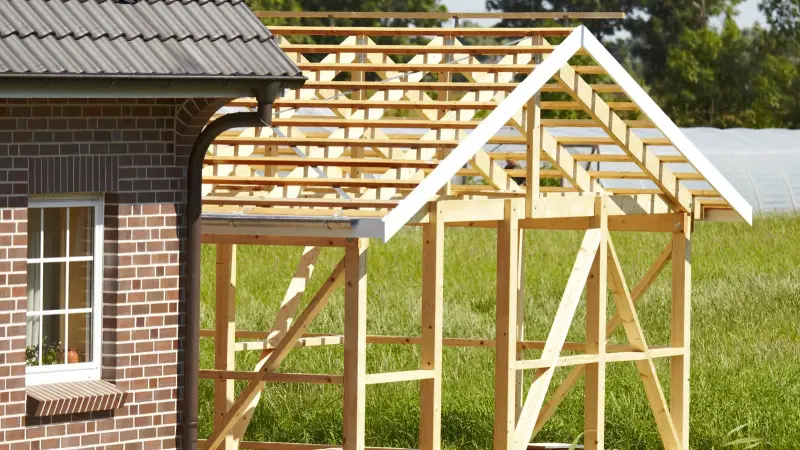
Redwood siding gives a shed a natural finish and a longer expected service life than T1-11 plywood siding, at a higher upfront cost. That trade-off matters most when the building sits in a visible spot or may have a use beyond storage later. Siding covers much of a shed’s exterior, so its appearance and ability to handle exposure shape how the building looks and holds up over time.
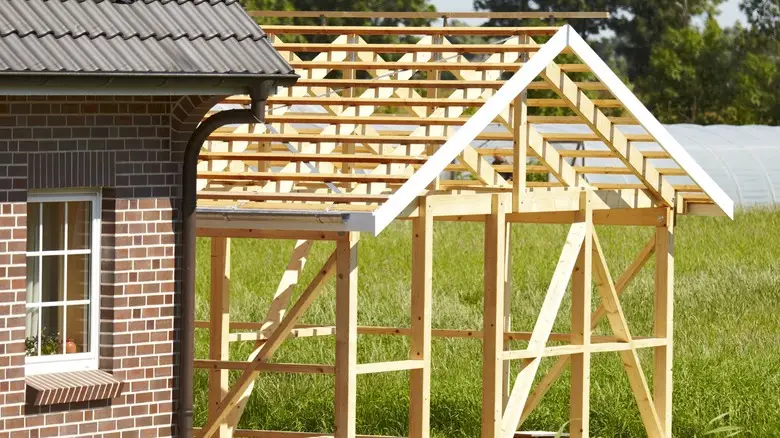
T1-11 is a familiar shed material: it can be milled to suggest rough-sawn vertical boards, and it costs about $2.50 per square foot for ⅝-inch panels. Redwood is a different kind of choice. Its natural color and wood grain are visible, and its siding can be fitted in several profiles and layouts. The question is whether those design options and longer service life justify the added expense for your project.
What the extra cost buys
Redwood contains natural oils that help resist rot, much as cedar does. It can be left unfinished, and it is less prone to moisture-related warping and delamination than plywood. Quality redwood siding that is maintained well can last 75 years or more; T1-11 typically lasts 20 to 30 years. Those are broad service-life estimates, and the condition of the installation and its upkeep still matter.
Redwood siding and trim boards are one inch thick and commonly come in widths of 4, 6, 8 and 12 inches. Depending on the board, the profile can be flat, tongue-and-groove or shiplap. This gives the builder more control over the shed’s exterior than a sheet good designed to imitate boards.
Prices vary by location, but redwood siding runs roughly $4 to $20 per square foot. It generally costs less in the West, where redwood is abundant. Compared with T1-11, that is a substantial upfront difference. Redwood makes more sense as a style and longevity upgrade than as a low-cost substitute for plywood.
Choose a profile to set the look
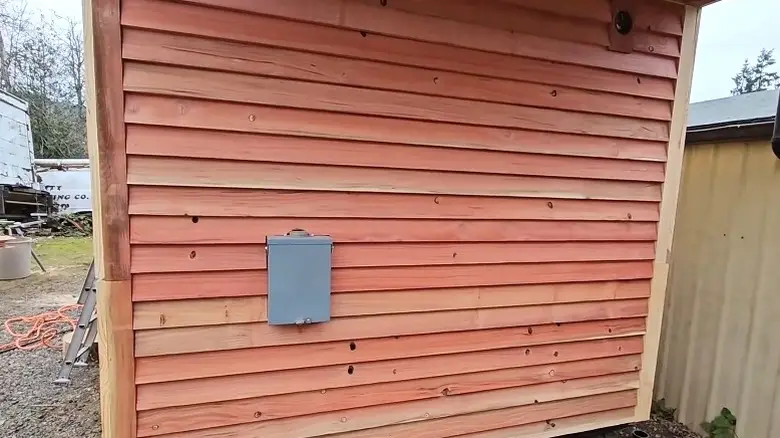
Board-and-batten creates a strong vertical pattern: flat siding boards run vertically, while 1-by-2 strips cover the joints between them. The battens add visible lines and give the exterior a traditional, practical character. For a horizontal treatment, clapboard uses tapered boards whose lower edges overlap the courses beneath them.
Tongue-and-groove and shiplap boards offer another route. Either can be installed vertically or horizontally, giving the shed a more finished appearance. The direction of the boards changes how the exterior reads, while the joint profile adds its own detail. These options make it easier to choose siding that suits the building’s setting and the look of the nearby home.
Redwood can weather to gray if it is left unfinished. Some owners prefer that gradual change and the rustic quality it gives the property. Others want to retain more of the wood’s original color. A clear exterior finish with UV absorbers can help protect the natural appearance, while stain can offer sun protection and leave the grain visible.
Factor in upkeep and finish
Natural rot resistance does not mean redwood will keep its original color without care. Unfinished boards change as they weather, so decide whether that gray patina fits the look you want. If preserving the color is the priority, plan for a clear finish with UV absorbers or a stain. The finish choice affects the appearance as well as the amount of ongoing attention the siding will need.
T1-11 needs paint or semi-transparent stain to improve its appearance and help it last. Its outer veneer is often fir, pine or spruce, which tends to have a pale, less earthy look than redwood. Because plywood is made in layers, moisture can cause those layers to separate at the edges when the material lacks a protective coating. Once delamination starts, it is difficult to repair.
For a shed where budget comes first, T1-11 remains a lower-cost option, provided you account for its protective finish. Redwood is a stronger fit when the exterior will be on display, natural wood is part of the design, and the higher material cost works for the project. Settling the finish and board layout before buying helps match the siding to both the shed’s setting and the time you’re prepared to spend maintaining it.