Radiant Garage Floor Heating: Costs, Energy Savings and Installation Tradeoffs
Radiant heating can keep a garage floor warm and help protect tools and stored paint from winter cold. Compare system costs and installation needs first.
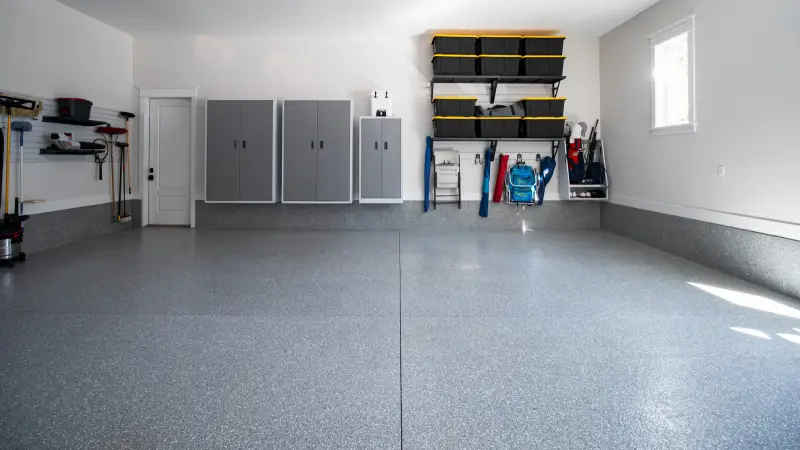
A warm garage floor can make winter work more comfortable while helping protect tools from rust, paint from freezing and floor snow from turning to ice. Radiant heating is one option: it warms the concrete, which then releases heat into the room over time. That stored warmth can help keep the space at a steadier temperature without the system running constantly.
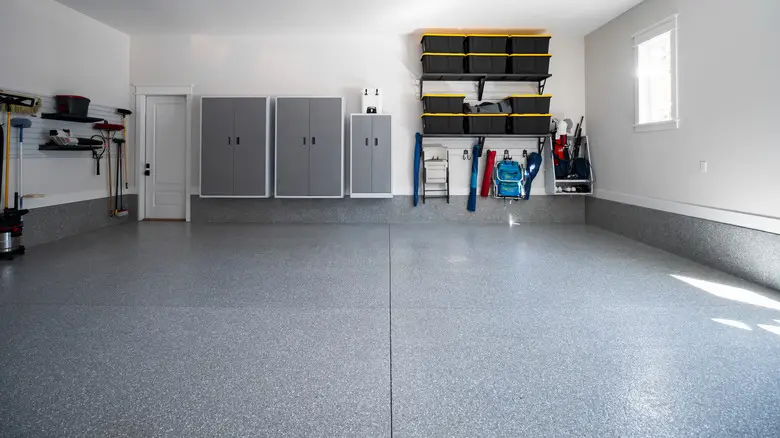
How the two systems heat a garage
Electric radiant systems use thin cables or mats beneath the concrete. Hydronic systems circulate hot water through tubing installed under the floor. Both heat the floor itself, rather than relying only on warm air from a separate heater. The concrete absorbs heat and releases it gradually, so radiant heating can maintain a more even feel after the system has warmed the slab.
That approach may suit a garage used regularly through cold weather. A comfortable floor can make projects easier to tackle, while a more stable indoor temperature can help reduce the chance of stored paint freezing. Keeping the floor warmer can also limit the icy layer that forms when snow melts inside and then refreezes. It won’t remove snow or replace sensible winter housekeeping, but it addresses one source of cold in the space.
Radiant heating is often described as energy efficient because the warmed concrete continues giving off heat after the system has reached its thermostat setting. The system can cycle as needed instead of running without pause. The amount of energy used will depend on the particular garage and its use; no single savings figure can guarantee what an individual household will see.
The Radiant Professionals Alliance estimates that radiant systems can save homeowners up to 30% more energy than conventional systems. Treat that as an estimate rather than a promised reduction on a specific bill. The potential appeal is strongest for people who use their garage often in winter and want warmth where they work, along with some protection for temperature-sensitive stored items.
Budget for the system and its installation
The upfront cost is a significant part of the decision. Electric radiant floor heating can cost up to $25 per square foot, including materials and installation. Hydronic heating can reach an average of $30 per square foot. Those figures describe the system and installation, but they don’t establish the total cost for a particular project. A professional will need to assess the garage and the work involved.
Both options require professional installation. Hydronic systems also need a boiler or heat pump to supply hot water if the home doesn’t already have suitable equipment. That added requirement can affect the project’s scope, so it’s useful to discuss the heat source as well as the floor installation when comparing options.
Radiant heating may cost more at the start than some other ways to heat a garage. Possible energy savings over time can help offset that difference, but the source figures don’t provide a payback period. The practical comparison depends on how frequently the garage is heated and used, the system selected and the work needed to fit it into the building.
Existing concrete changes the project
Installing radiant heat is simpler to plan while a garage floor is being built or replaced. Retrofitting a finished garage is more involved because the heating elements need to sit beneath a new concrete layer. One approach is to remove the existing floor, install the system and pour concrete again. That creates substantial disruption.
Another approach is to place the heating system over the existing floor and cover it with new concrete. This avoids removing the old slab, but raises the finished floor by at least half an inch. That height change is a lasting tradeoff: consider how it will affect the garage’s usable space before deciding whether the retrofit makes sense.
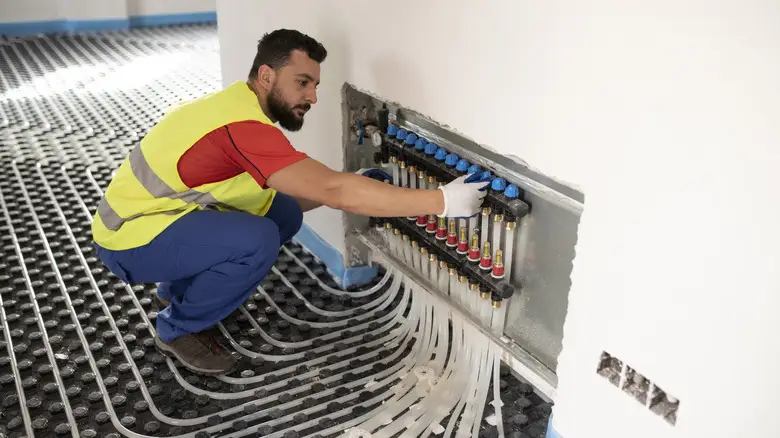
Because the installation involves the floor and, for a hydronic setup, a heat source, have a qualified professional assess the work. Ask for a project plan that covers the chosen system, the concrete work and any effect on floor height. Those details matter as much as the system’s potential efficiency when the garage is already finished.
Decide based on how you use the space
Radiant heating looks most compelling when the garage is a working space in winter, rather than a room that needs occasional bursts of warmth. Its heated slab can help maintain comfort and reduce cold-floor problems, but the initial price and retrofit work are real constraints. For a new floor, it may be easier to include the system in the project from the outset. For an existing garage, weigh the expected use against the disruption and lost headroom.
Start by comparing electric and hydronic installation requirements with a professional, then factor in the garage’s current floor and how often you need winter warmth. The right choice is the one whose day-to-day benefit justifies its cost and construction work.