Canapé Serving Ideas for a Personal, Welcoming Holiday Table
Make canapés the focus with collected silver, varied serving heights and practical layouts that invite guests to gather and help themselves.
Plan the table around the food
Canapés set the pace of a gathering, so their presentation deserves as much thought as the table linens or flowers. A strong display makes the food easy to see and serve, while giving guests a natural reason to gather, chat and move around. The best approach pairs visual interest with practical choices: consider what each dish needs, how long it can sit out and where people will reach for it.
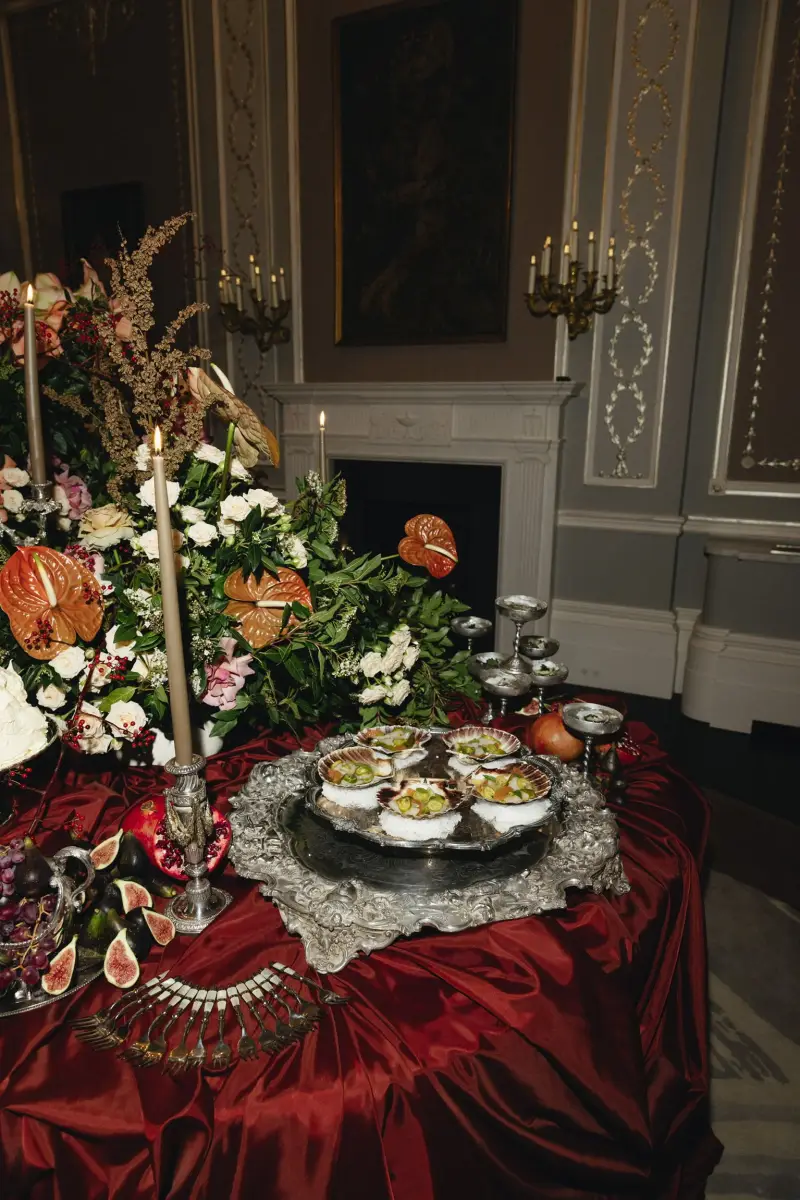
Charu Gandhi, founder and director of London interior design studio Elicyon, sees food and design becoming more closely connected. Food has long shaped visual ideas in fashion and branding; now it’s finding a stronger place in interiors through table styling and entertaining. That shift gives hosts room to treat a spread as part of the room’s design, with color, texture and arrangement working together.
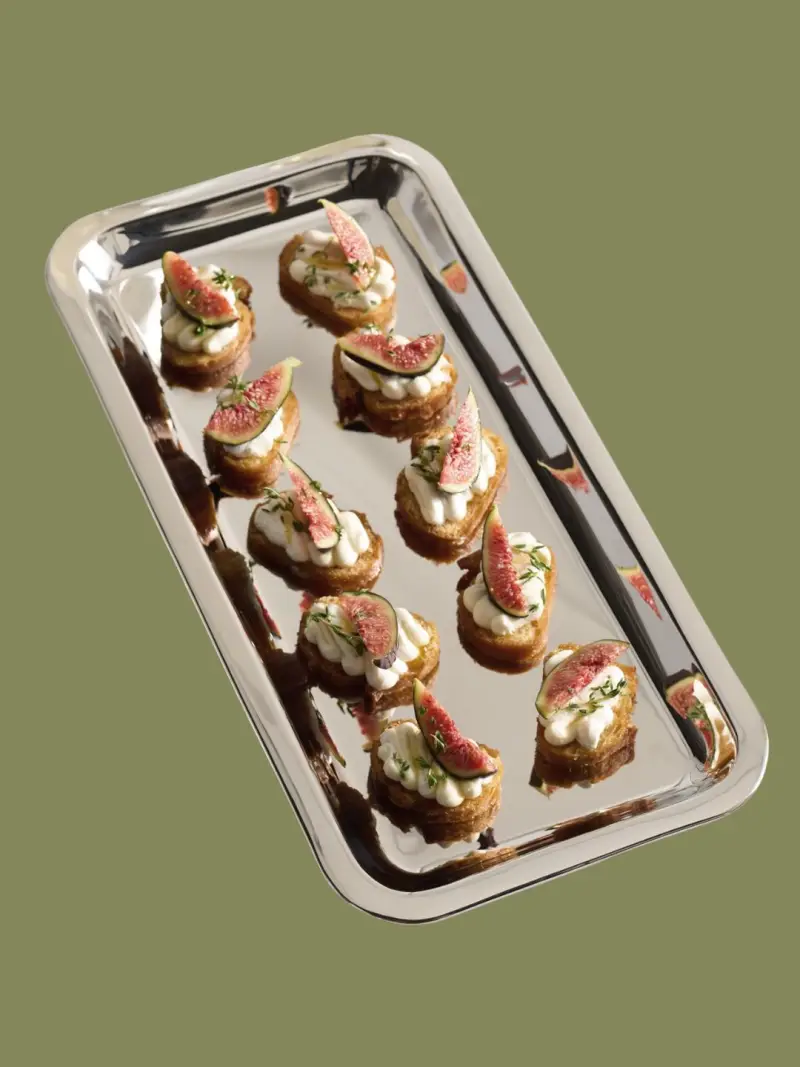
Start with the food and the way guests will eat it. Then choose serving pieces that suit the menu and fit comfortably into the table plan. A beautiful dish that leaves no room to pass a platter or reach for a spoon can make service awkward. Make space for the food from the outset, and let the display support the evening rather than compete with it.
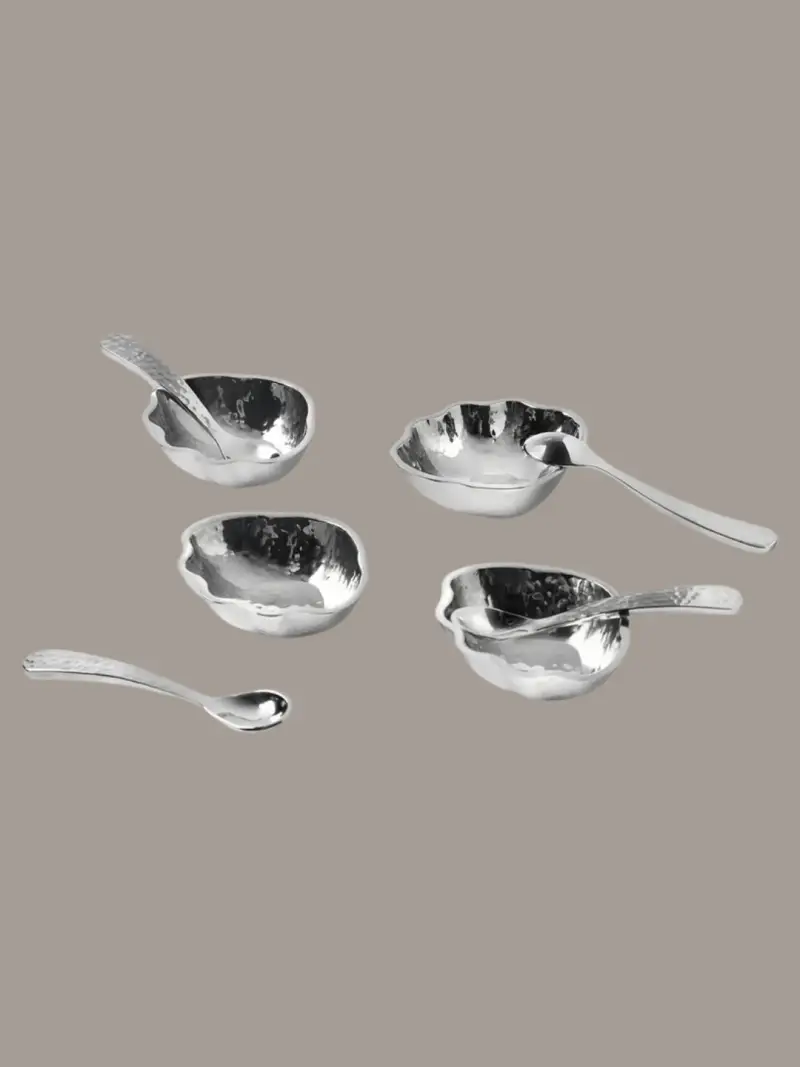
Bring in vintage silver and collected pieces
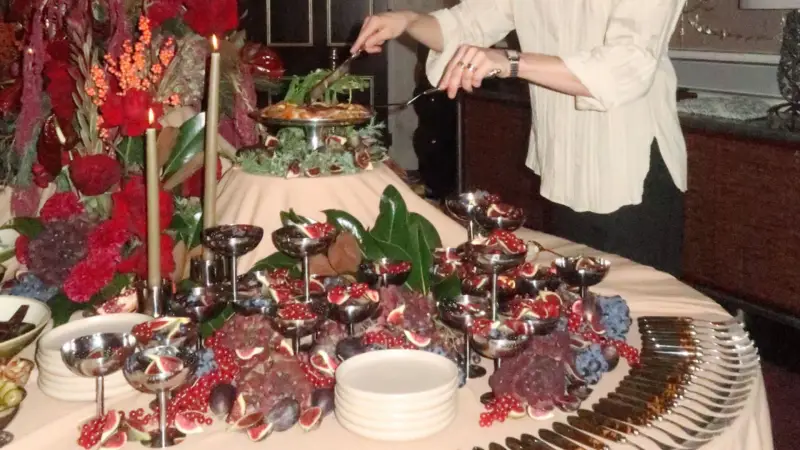
Vintage silver trays, small bowls and unusual serving dishes add shine and character. Their smooth, reflective surfaces set off the color and texture of food, creating contrast without needing a complicated centerpiece. Charlie Karlsen, founder and creative director of UK events and catering company Opus 11, favors silver pieces that look collected over time, with a little wear rather than a just-bought finish.
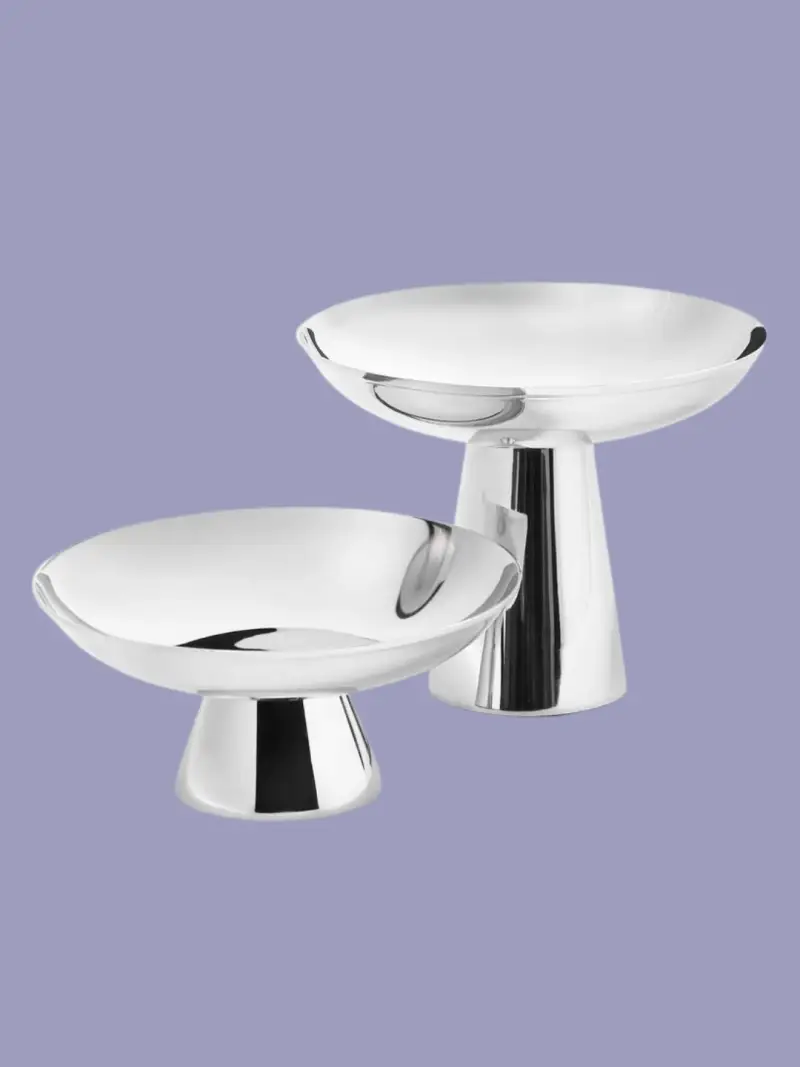
Dani Tucker, founder of The Social Kitchen and an event stylist, uses vintage silver trays for drinks, desserts and food served later in the evening. A tray can also sit directly on the table as part of the arrangement. The appeal lies partly in its flexibility: one well-loved piece can serve several purposes across a gathering.
You don’t need a matching set or a large budget to get this effect. Mix silver with handmade ceramics or serveware collected on travels. A small silver coupe can make a dessert feel special; a vintage oyster plate can give appetizers a distinctive setting. Karlsen prefers combinations that don’t match exactly, since each piece brings its own character.
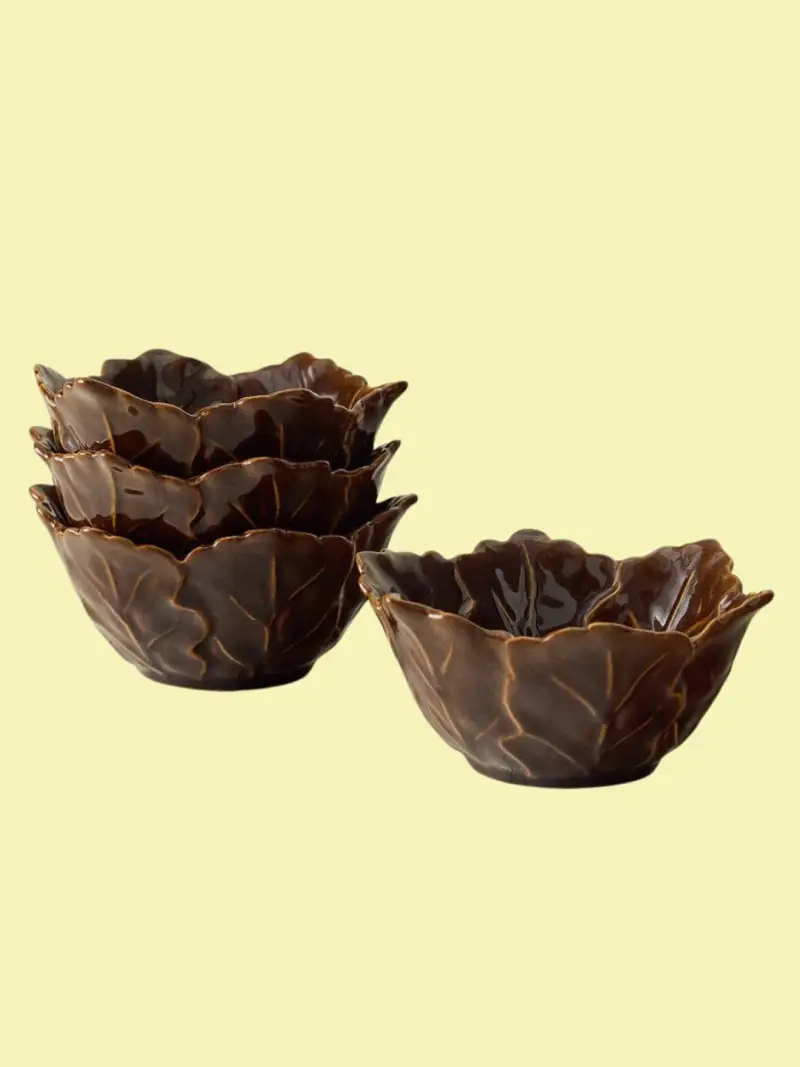
Look for shapes and finishes that suit the menu. Silver works especially well beside vivid food, while handmade ceramics bring a more tactile, informal feel. A mix of materials can make a table feel considered without looking overly arranged.
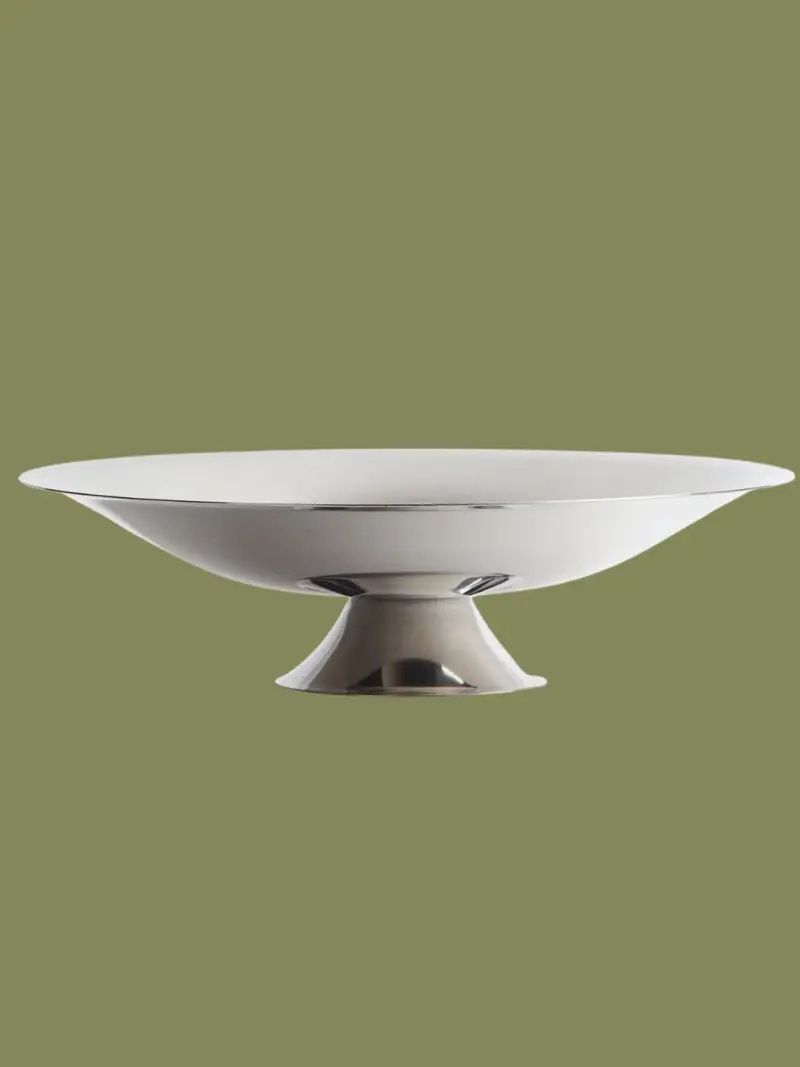
Choose serving pieces for the way guests eat
For a sit-down meal, generous sharing platters encourage guests to pass food and start conversations. Tucker recommends working out where serving dishes will sit while planning the table, so they have room among the other elements. If the gathering is large or the evening is long, a separate drinks or dessert station can free up table space and create another place for guests to gather.
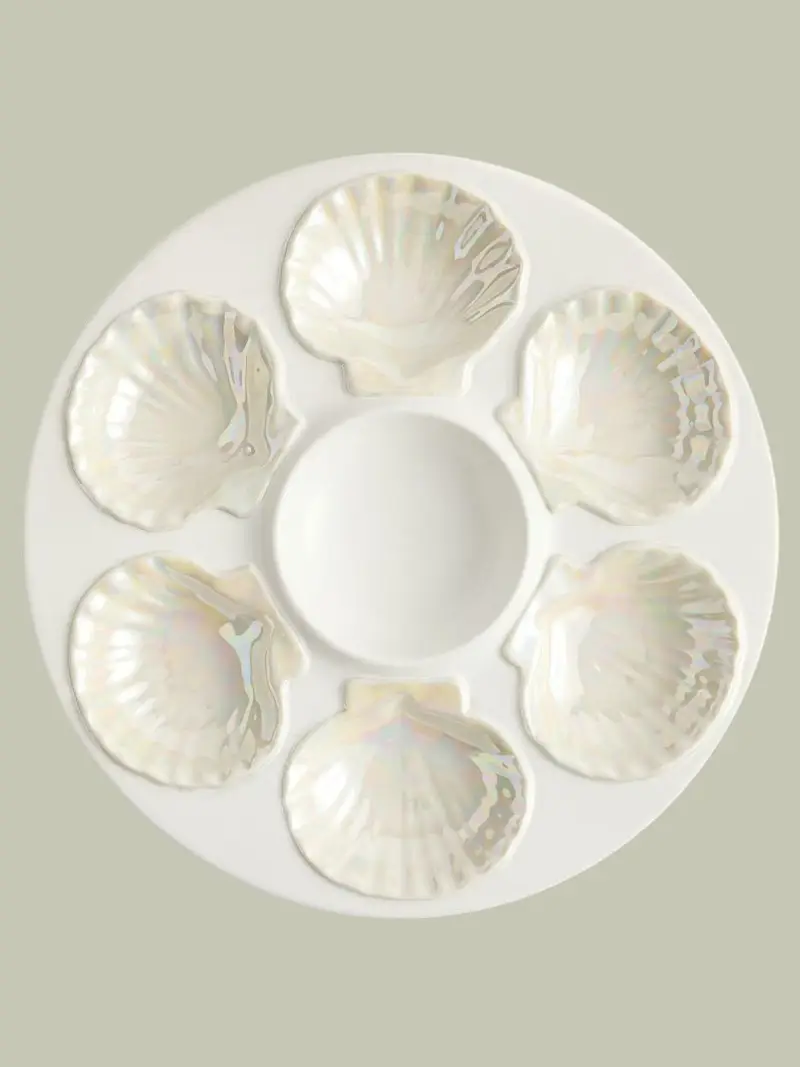
Temperature matters, too. Karlsen serves cold canapés on larger platters, where guests can help themselves over time. Hot items are better brought out in smaller batches. This keeps the table from becoming crowded with dishes that need attention and lets hot food arrive when it’s ready to be eaten.
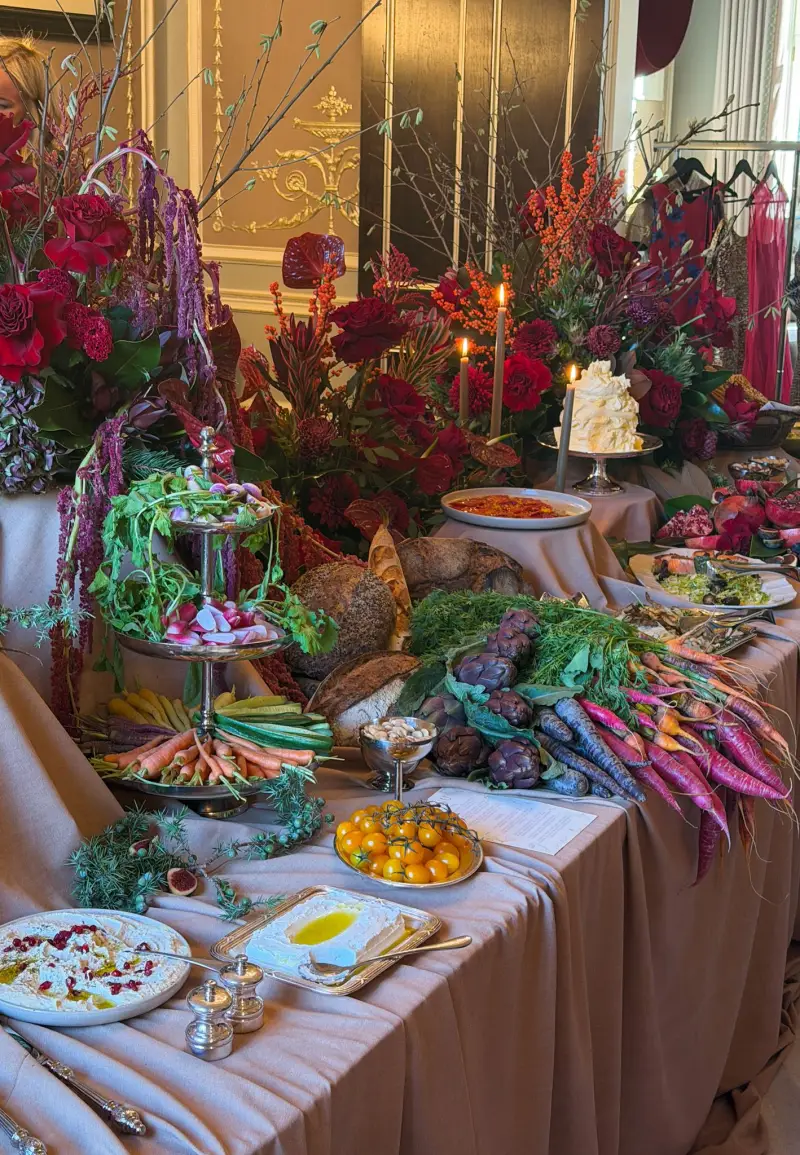
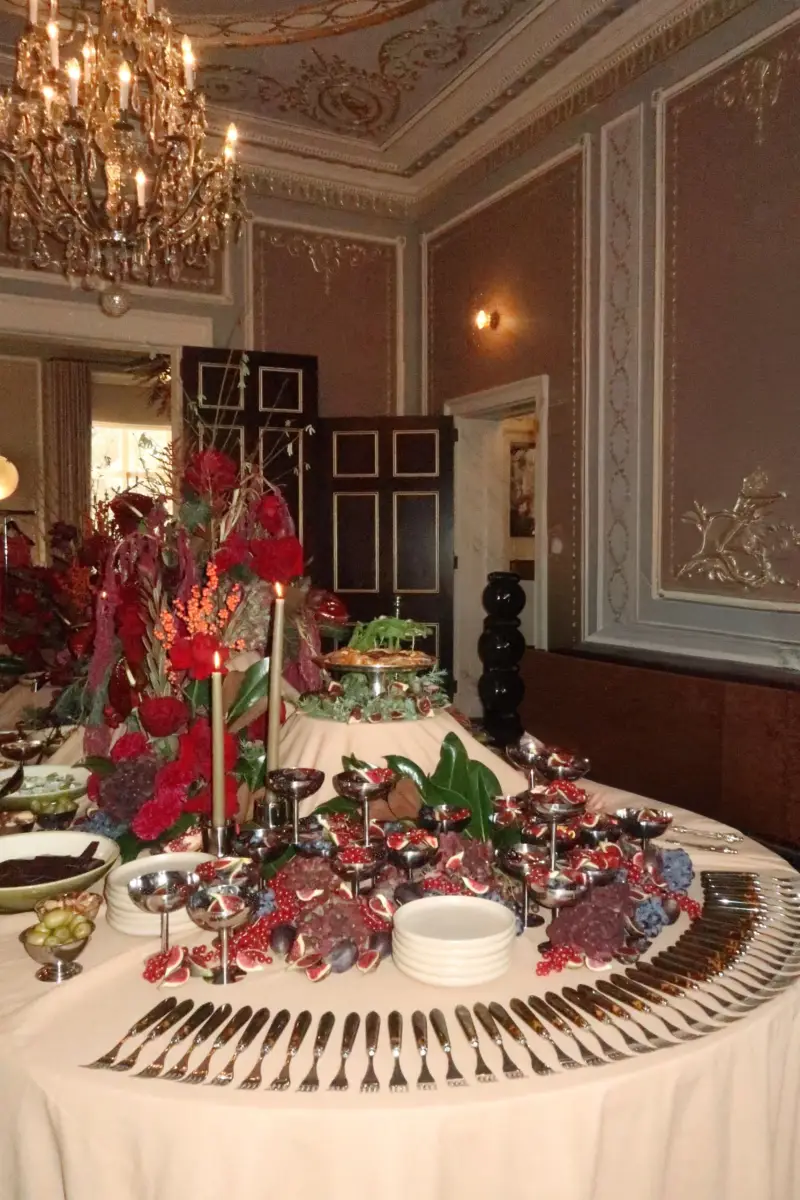
A help-yourself spread can also soften the formality of a meal. A feasting table invites guests to gather around the food, take what they want and talk as they go. For an easy-to-use layout, match the serving shape to the dish: a shallow platter lets a colorful salad stand out, while a deeper bowl holds generous sides. Small bowls or pinch pots keep sauces and seasonings close by. Leave space around each dish so people can serve themselves without reaching over one another.
Vary height and shape
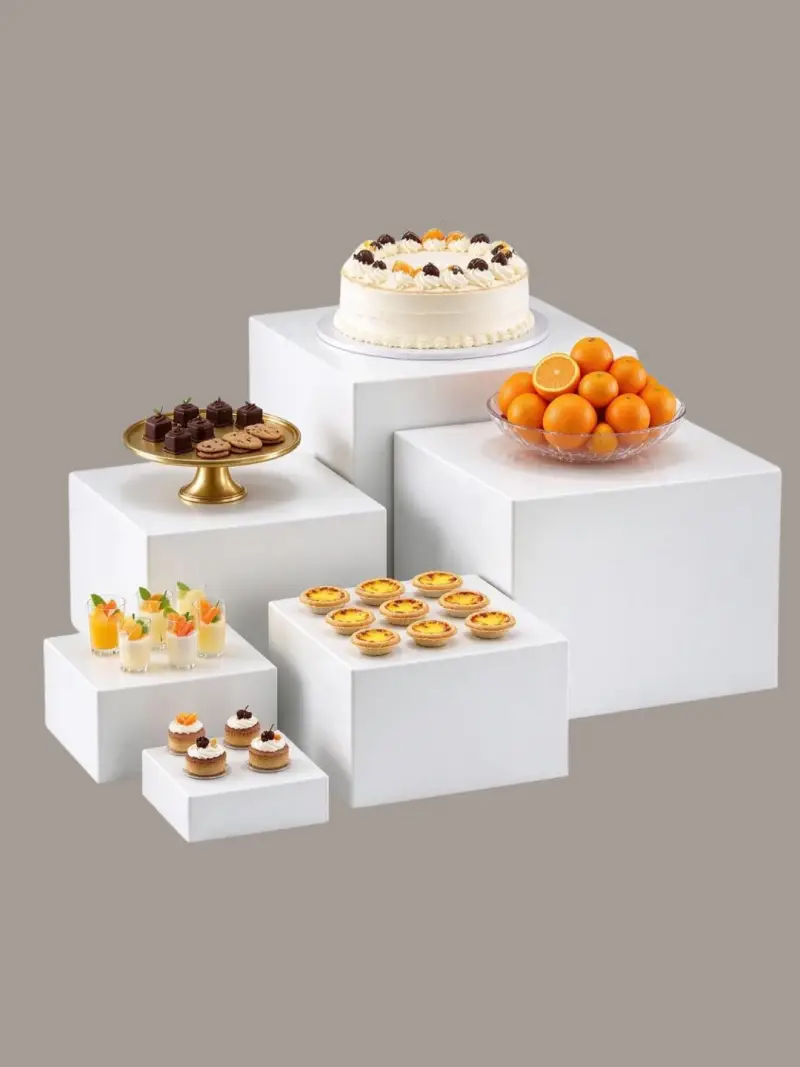
Arranging everything in neat rows can make a spread feel stiff. Instead, use a mix of large platters, small bowls, footed dishes and cake stands to create different visual levels. The changes in height help guests read the display, while making the table feel more relaxed. A tiered silver stand, for example, can turn a selection of canapés into a focal point without taking up the same surface area as several separate plates.
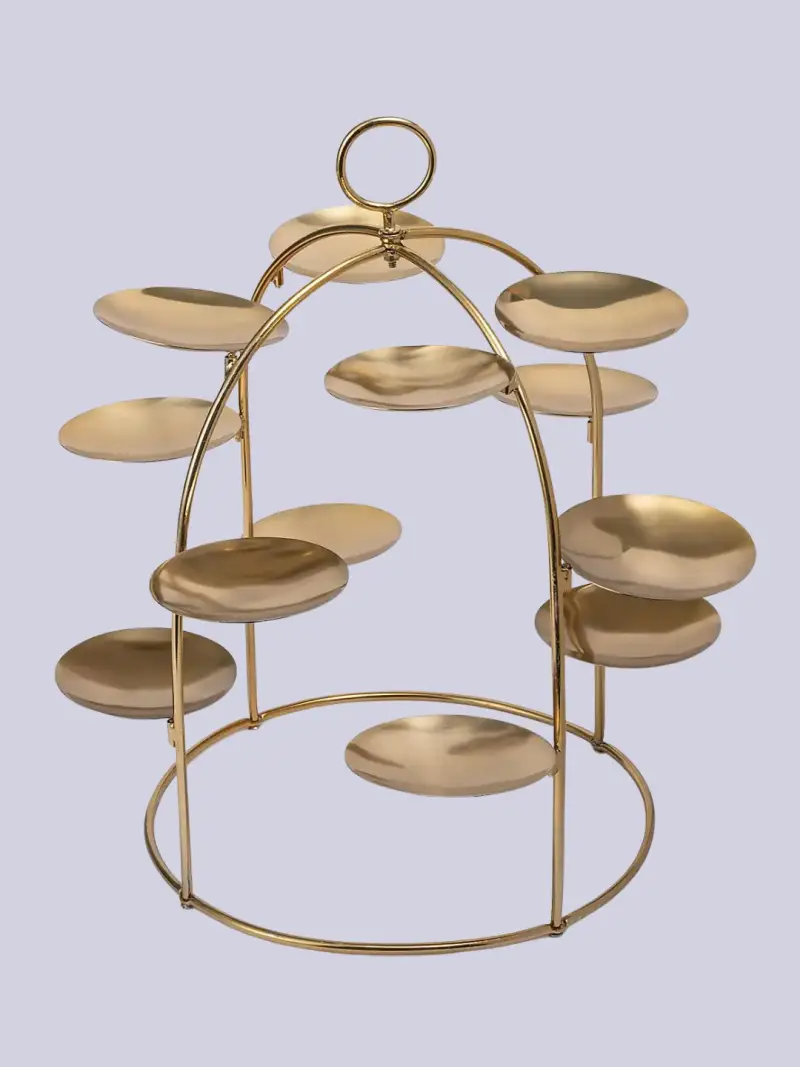
Fabric and plinths can add further layers. Karlsen suggests turning an extra bowl upside down to lift a serving piece when more height is needed. It’s a simple way to work with items already in the cupboard, rather than buying display stands for a single occasion.
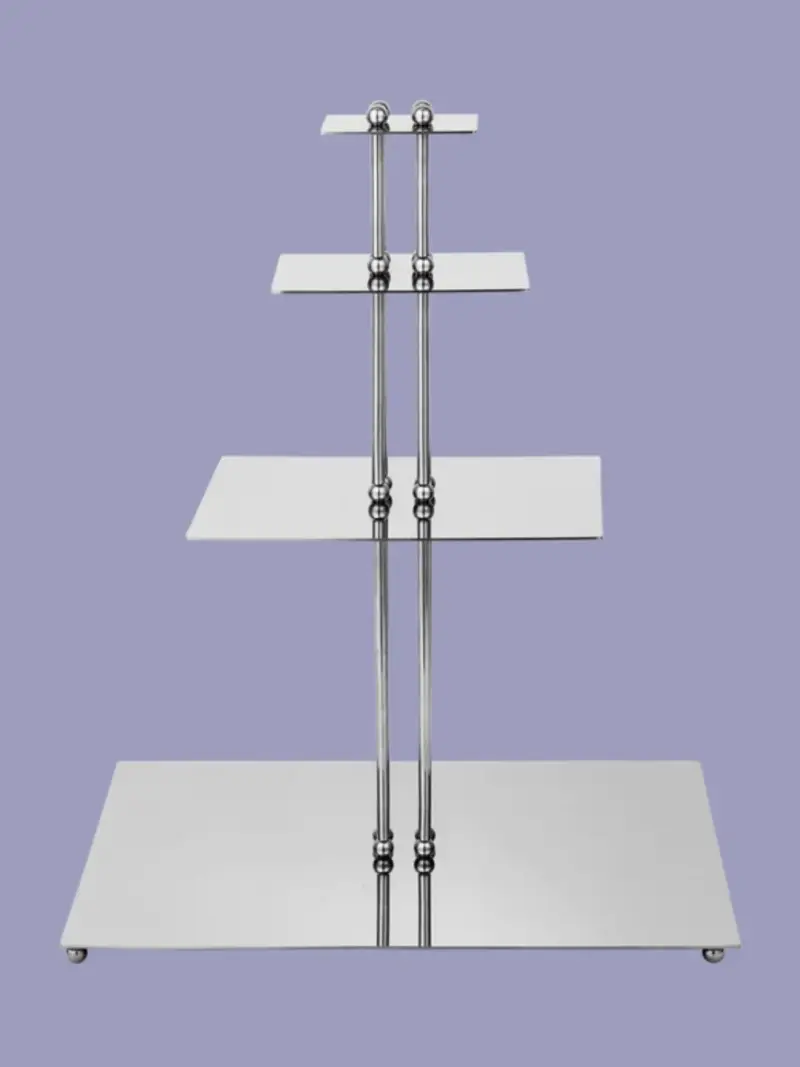
Keep the layout comfortable as well as attractive. Taller pieces should sit where they won’t block conversation, and every dish needs a serving utensil. Think about reach and movement: guests should be able to see what’s on offer and serve themselves without disturbing the rest of the arrangement. Treat the display as you would a centerpiece, using proportion, color, texture and composition to guide the eye.
Let the display tell a personal story
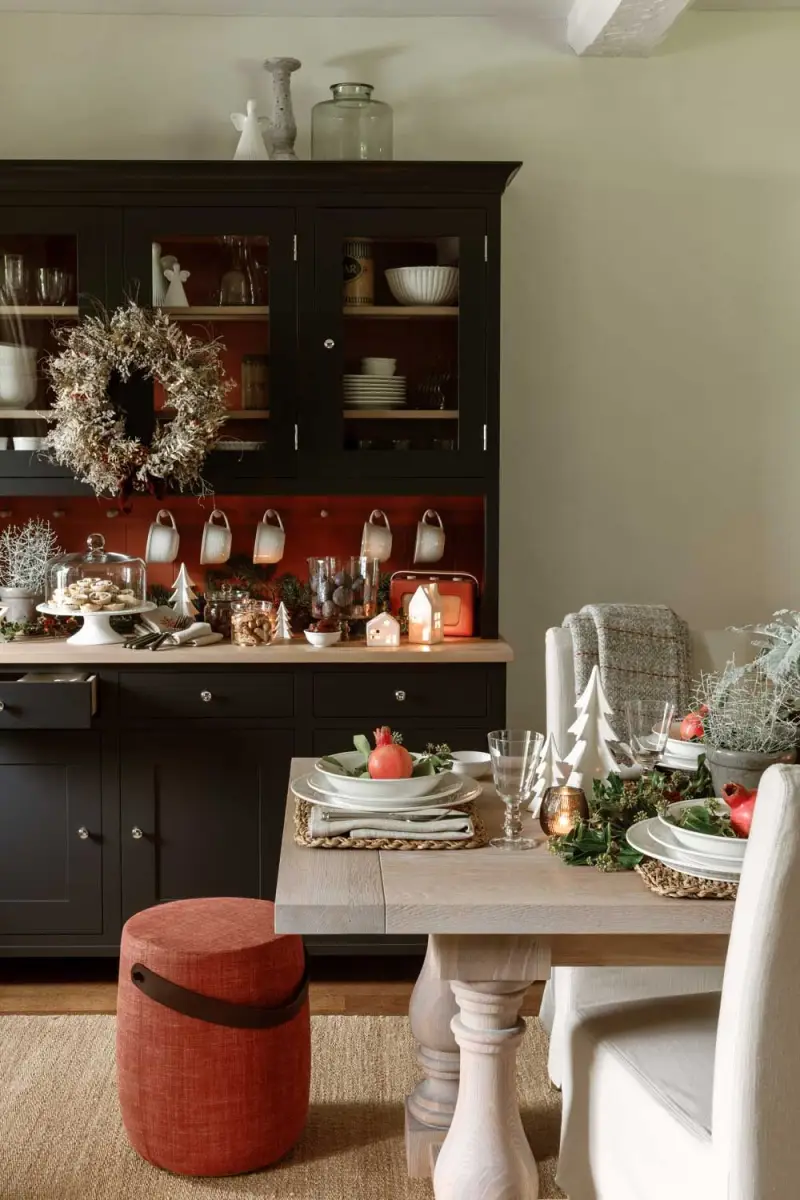
The most memorable tables often include something personal, whether that’s a dish inspired by a place you’ve visited or a familiar recipe that brings back a particular memory. Serveware can carry its own story, too. Karlsen says many of the pieces he uses at home come from different places around the world, and guests often ask about them. A favorite tray or plate can become a conversation starter as naturally as the food.
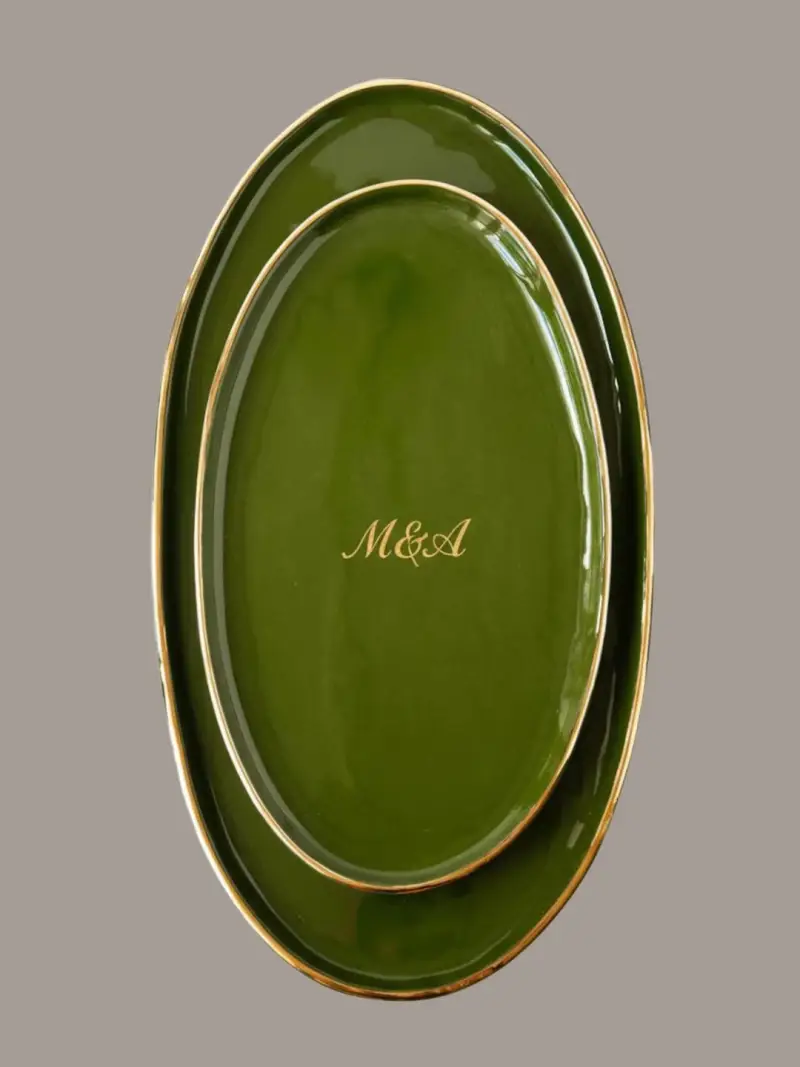
That personal touch doesn’t require a perfectly styled table. Tucker finds a slightly undone setup more inviting when guests are helping themselves and pieces shift during the evening. A table that changes as people eat feels lived in, rather than frozen in place for display.
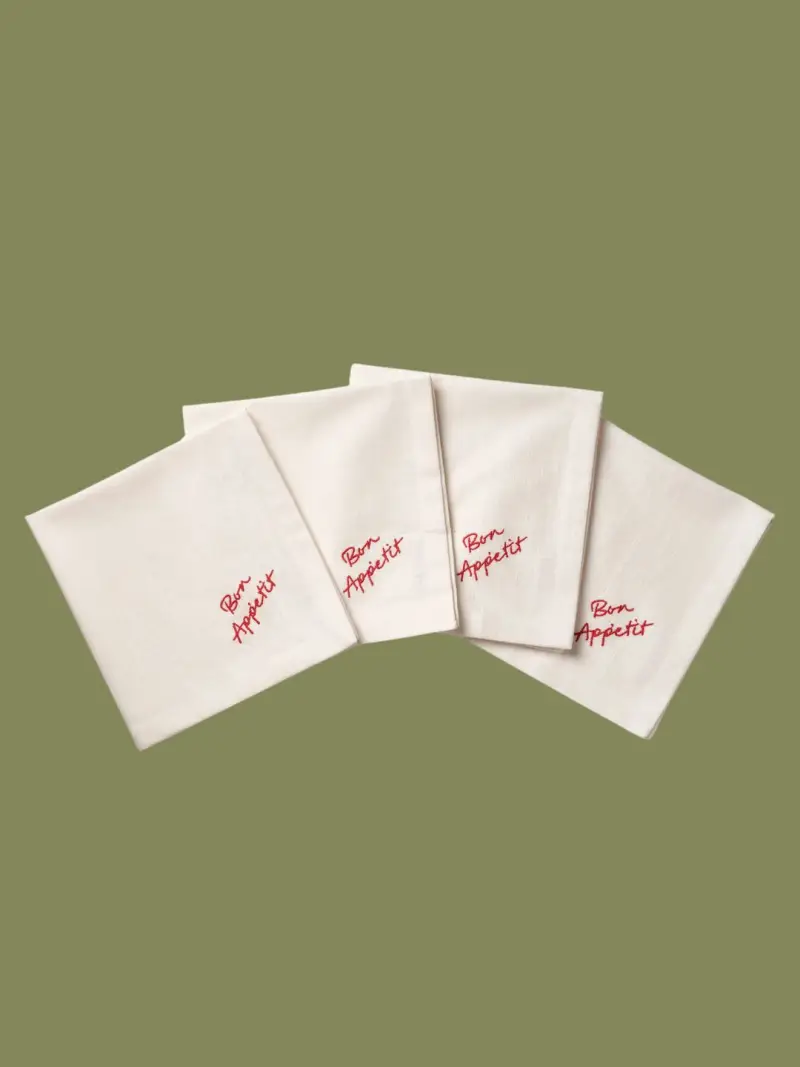
Seasonal fruit, candlelight and a silver champagne bucket filled with ice and wine or champagne can bring a sense of abundance to a table. Set glassware nearby, and let the arrangement feel like a still life that guests can actually use. The aim is to keep the food in the foreground while surrounding it with pieces that make the gathering feel like your own.