Radiator Tables Add Useful Surface Space to Small Hallways and Rooms
A slim radiator table can add storage and character without crowding a narrow hallway, landing or bedroom. Four designs show how to make the detail work.
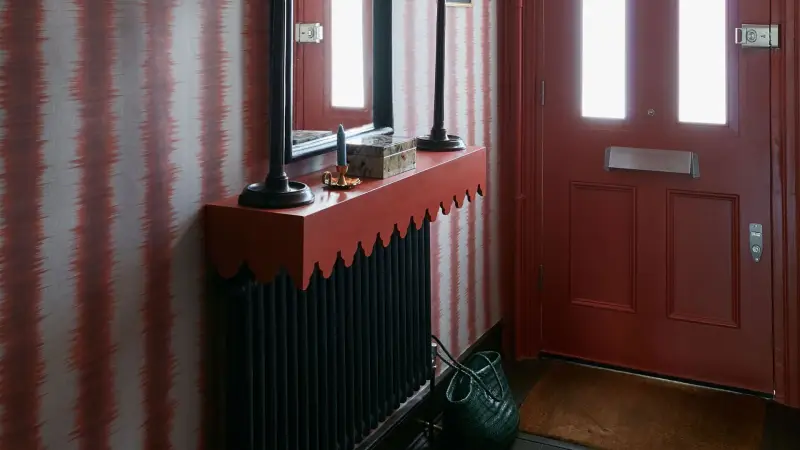
A radiator can be essential in winter and still feel like an awkward feature to design around. A radiator table offers a practical middle ground: a narrow surface that makes use of the wall above the heater, adding space for a few useful objects without bringing in a bulky cabinet. In a hallway or small room, that can be enough to give an overlooked corner a purpose.
Unlike a traditional radiator cover, a simple shelf or open console keeps the heater visible and leaves more room for heat to circulate. The details matter: consider how the table sits above the radiator, what you plan to put on it, and whether nearby art or a mirror could be affected by warmth. These four examples show how the idea can shift from understated ledge to a more decorative piece.
Make a small landing feel considered
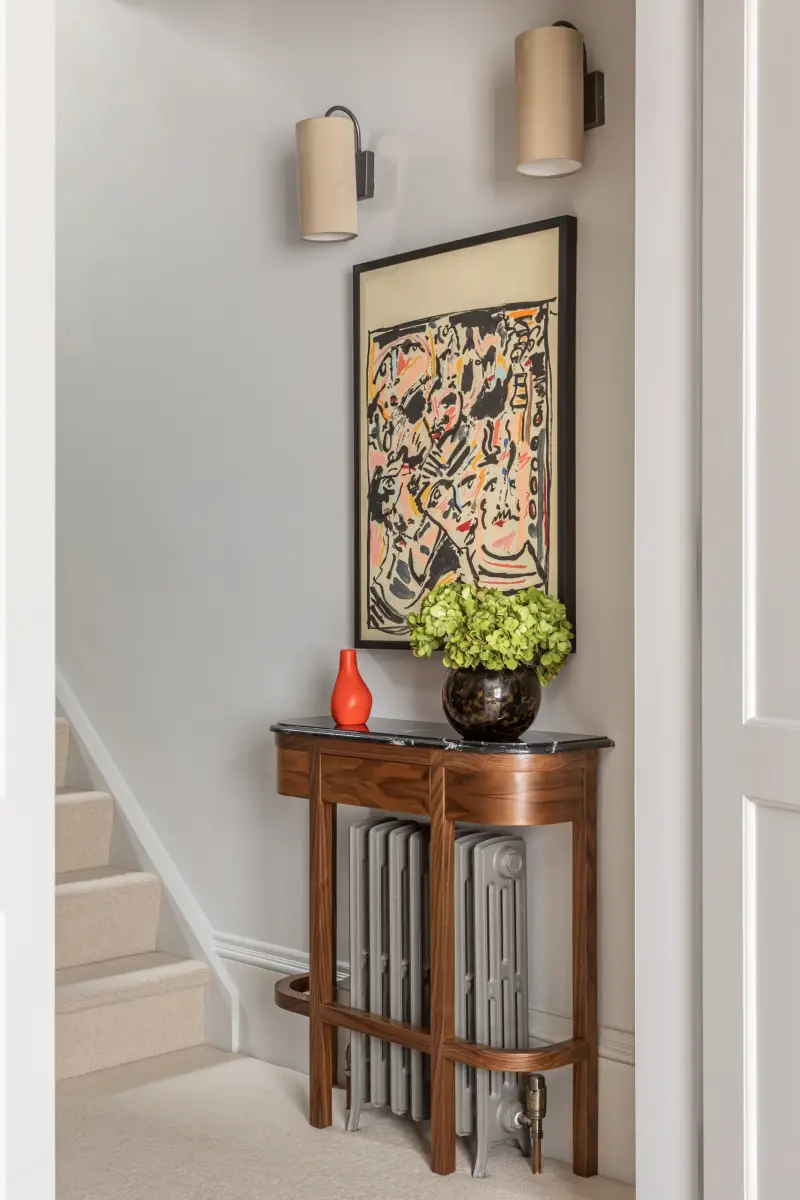
On a half-landing outside a bedroom, designer Alex Keith of Otta Design wanted to create a focal point without fitting a conventional radiator cover. The planned artwork by Jack Penny shaped the solution: the table needed to suit the painting’s contemporary style while allowing heat to move through the space.
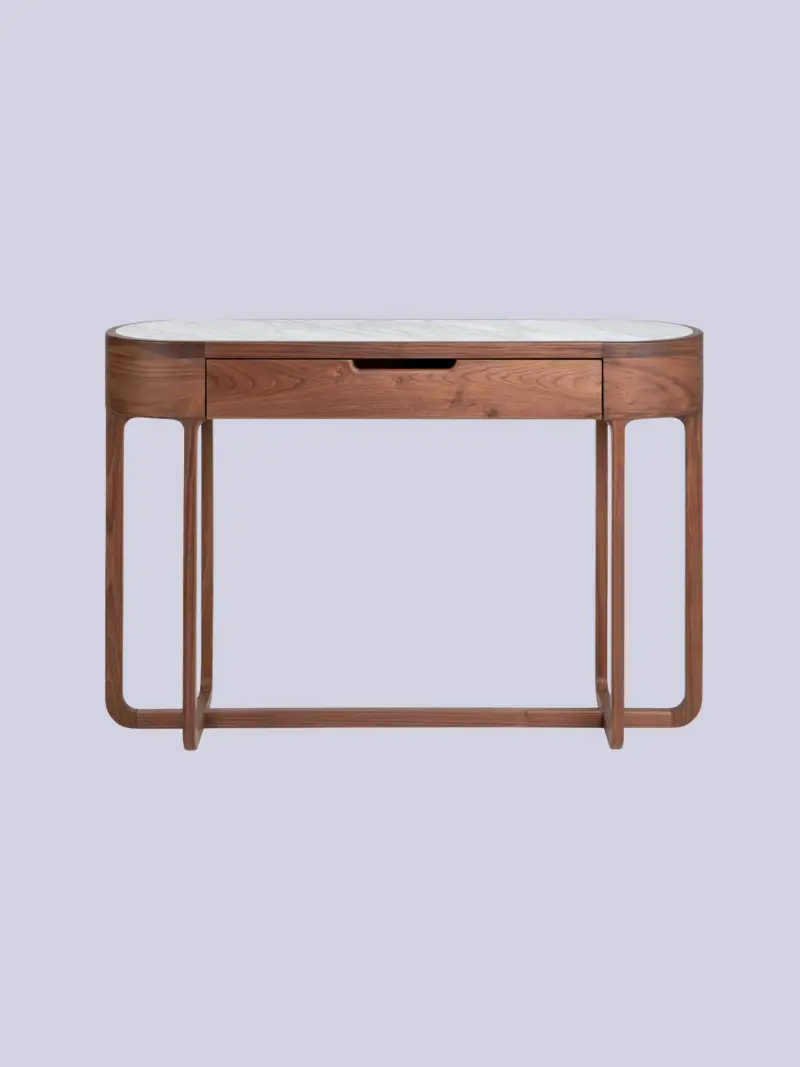
Keith worked with the joiners at Creative Edge on a design with a marble top and open wooden legs. The stone forms a buffer between the radiator and the picture, while the open base gives warm air room to escape. A curved wooden front helps the piece read as furniture rather than as a workaround for the heater.
The design lesson is to plan the table and the wall above it together. A piece of art can bring color and scale to a small landing, but its position should account for the heat below. Open sides and a visually light frame help the arrangement feel less crowded, too.
Give a bedroom surface more than one job
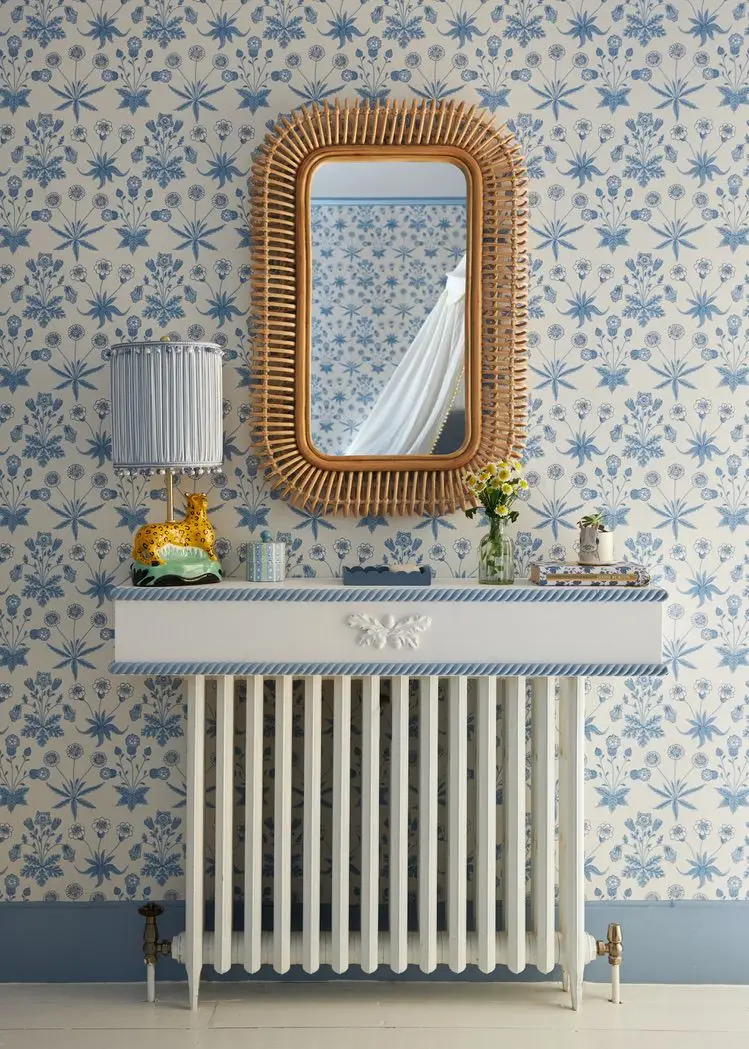
When a small bedroom has no room for a separate dressing table, a radiator shelf can serve as a compact alternative. Designer Laura Stephens planned one for a young girl’s room, anticipating that a place to brush her hair and get ready would become useful as she grew older. The fitted surface works with a mirror above it, giving the corner a clear purpose without taking up floor space.
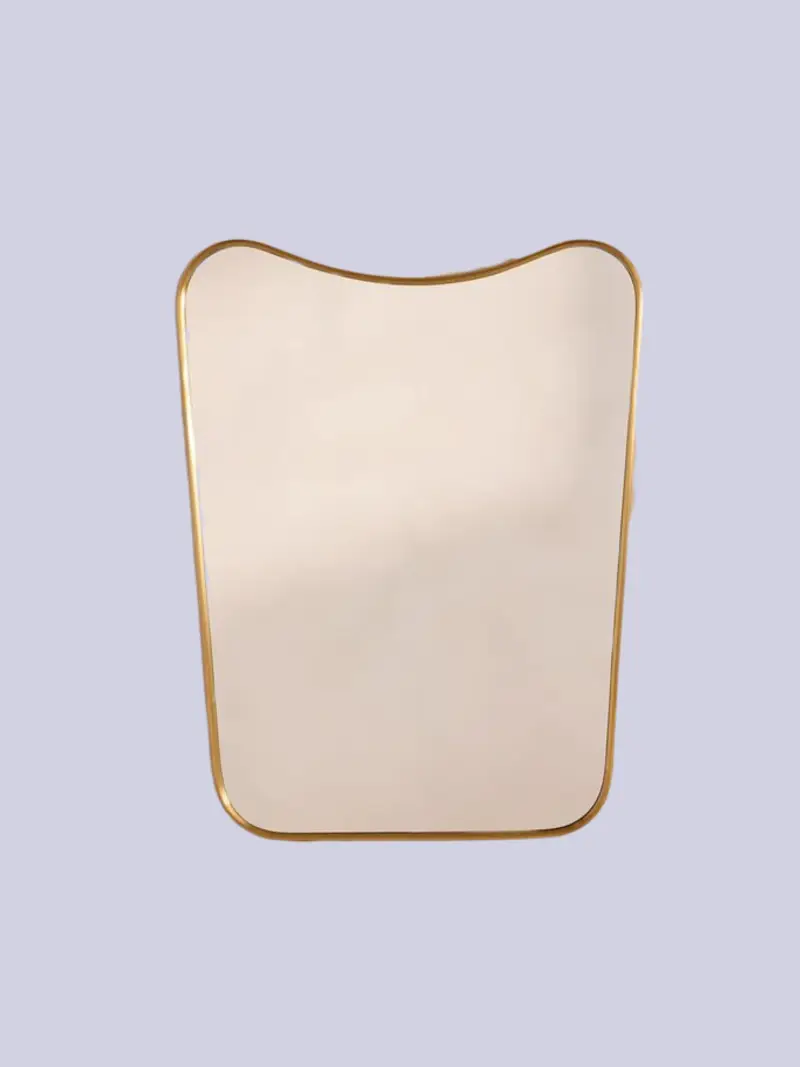
Here, the design needed more depth than a simple ledge. Stephens made the table 250mm deep to fit a lamp, including a shade made for the space, and specified sturdy brackets to support the lamp and makeup storage. Those choices show why intended use should guide the design from the start: a shelf for keys has different demands from one holding a lamp and daily essentials.

Decorative details make the piece feel at home in the bedroom. Stephens added a motif and rope edging, turning a practical surface into part of the room’s character. The lamp also lets the area work for evening routines. If adapting this idea, decide what needs to sit on the surface before choosing its depth and support, and keep the arrangement open around the radiator.
Use color and a raised edge in an entryway
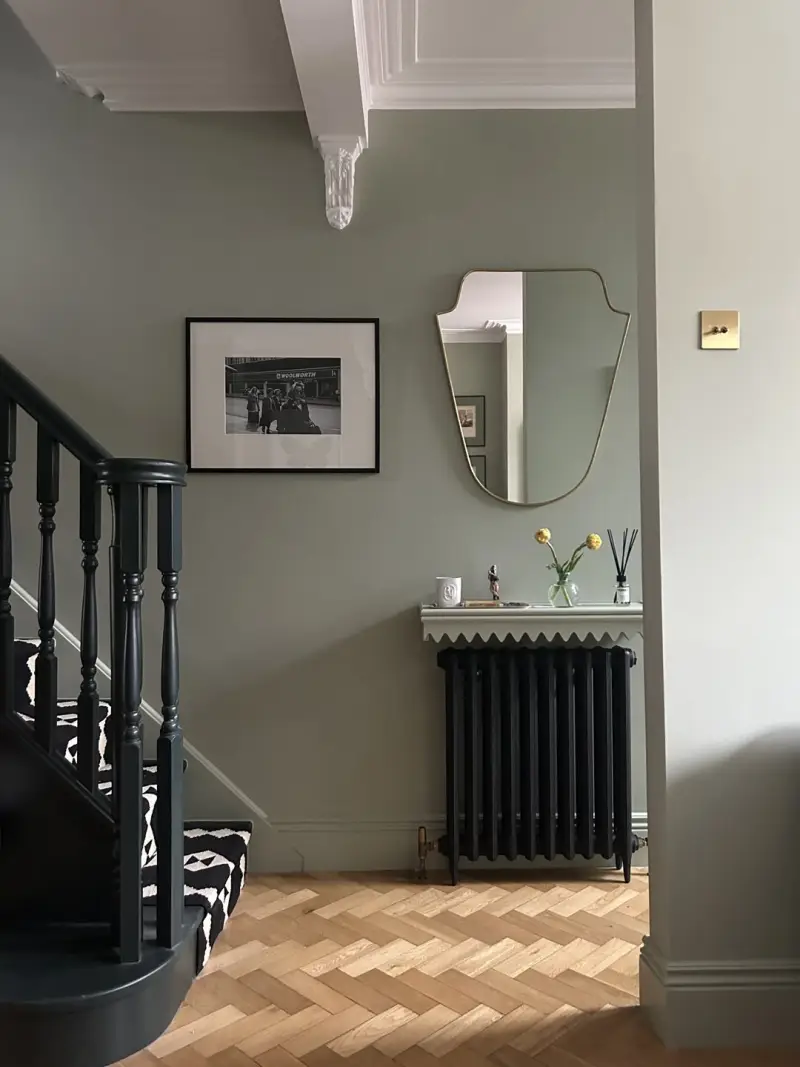
In a narrow entryway, designer Charlotte Simpson of Lotte Studio wanted a useful surface without adding another piece of furniture to the floor. A wall-mounted radiator shelf delivers that landing spot for keys, a diffuser or a few small objects, while leaving the walkway clear.
Rather than use a standard shelf, Simpson designed one to suit the room and painted it the same sage green as the surrounding walls. Matching the finish helps the table feel integrated; its wavy edge and double-beaded trim add a little personality. The raised detail has a practical role as well, helping keep objects from being knocked off.
This approach works when a narrow hall needs a place for everyday items but has little spare floor area. Keep the display modest so the shelf remains usable, and choose a finish that either blends into the wall or provides a deliberate accent. A small edge detail can add character without making the whole piece feel heavy.
Add storage and a mirror for a busier hallway
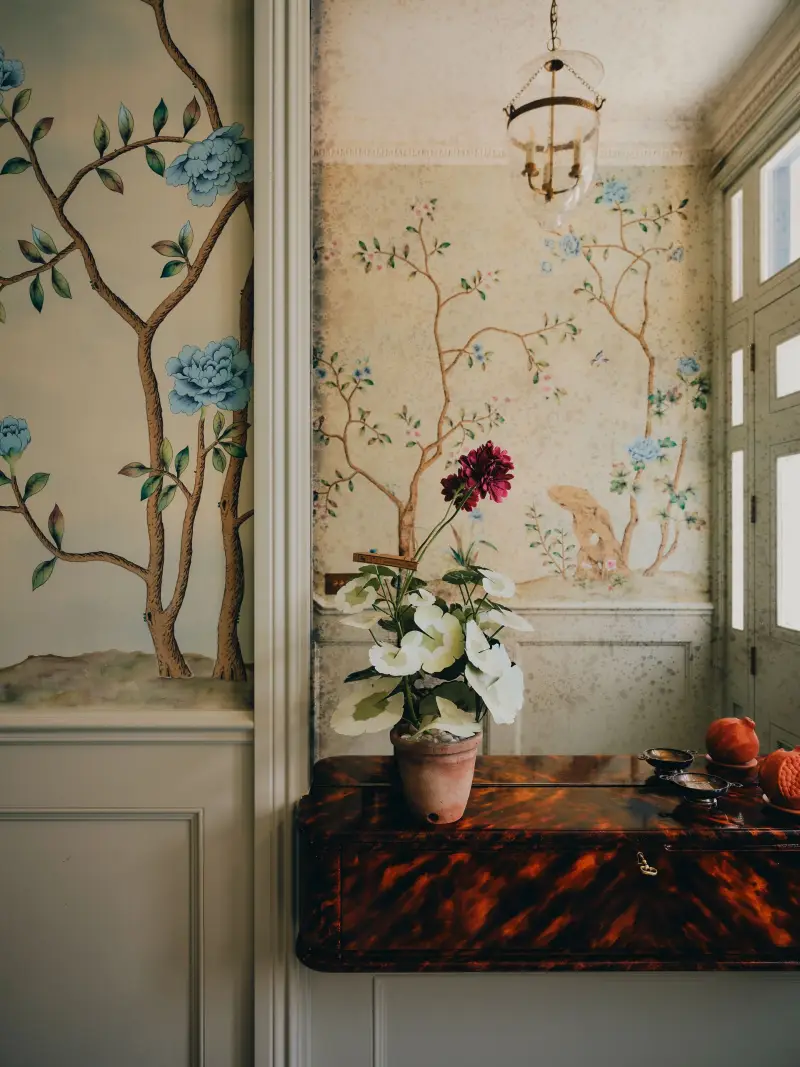
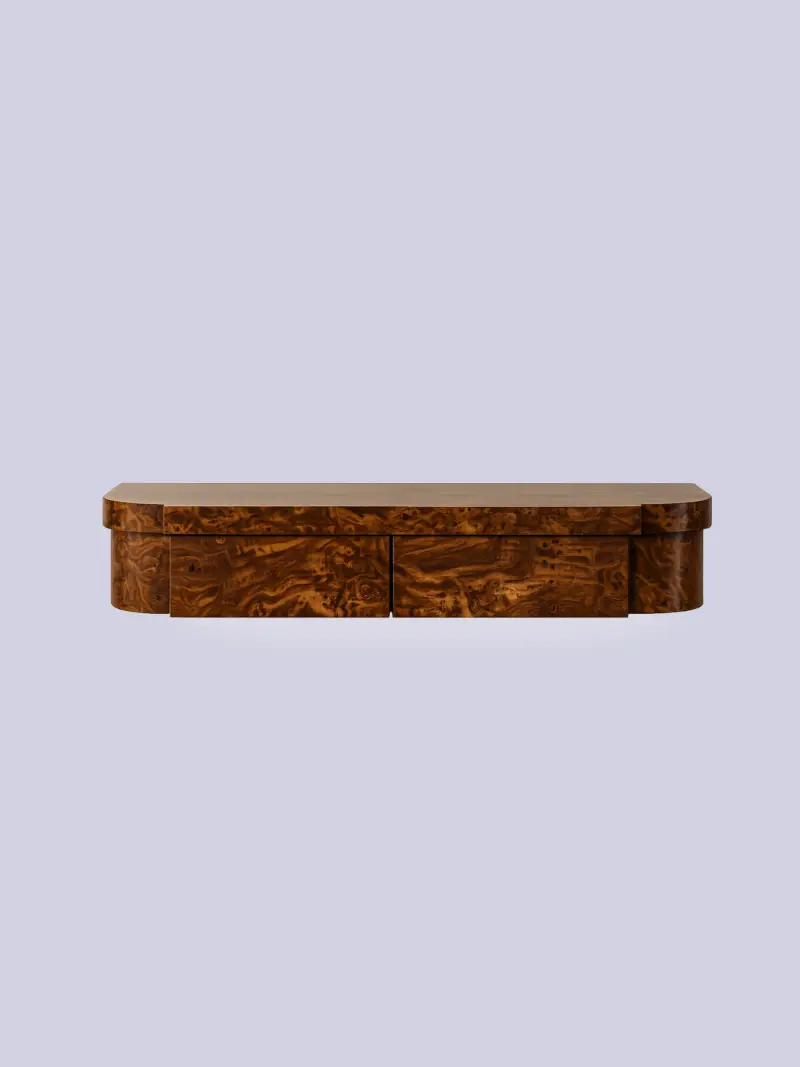
For a hallway that needs more than a place to set down keys, Tiffany Duggan of Studio Duggan designed the Tiger Console Mirror for her Trove collection. It combines a ledge for objects such as a candle or flowers with a key drawer and a large mirror. Mounted above a radiator, it gives a cramped entryway several uses in one compact footprint.
Duggan’s design treats the console as a standalone feature, pairing it with a mirror and wall lights. That arrangement can bring visual depth to a narrow hall, while the surface and drawer help with the daily routine of coming and going. A more decorative finish, such as the striped burl wood, adds presence when a plain shelf would feel too sparse.
A radiator table doesn’t need to be elaborate to improve a small space. Start with the job it needs to do: display a few objects, hold a lamp, collect keys or provide a place to get ready. Then choose an open design and a finish that suits the room. The best version will make the wall more useful while letting the radiator continue to do its work.